
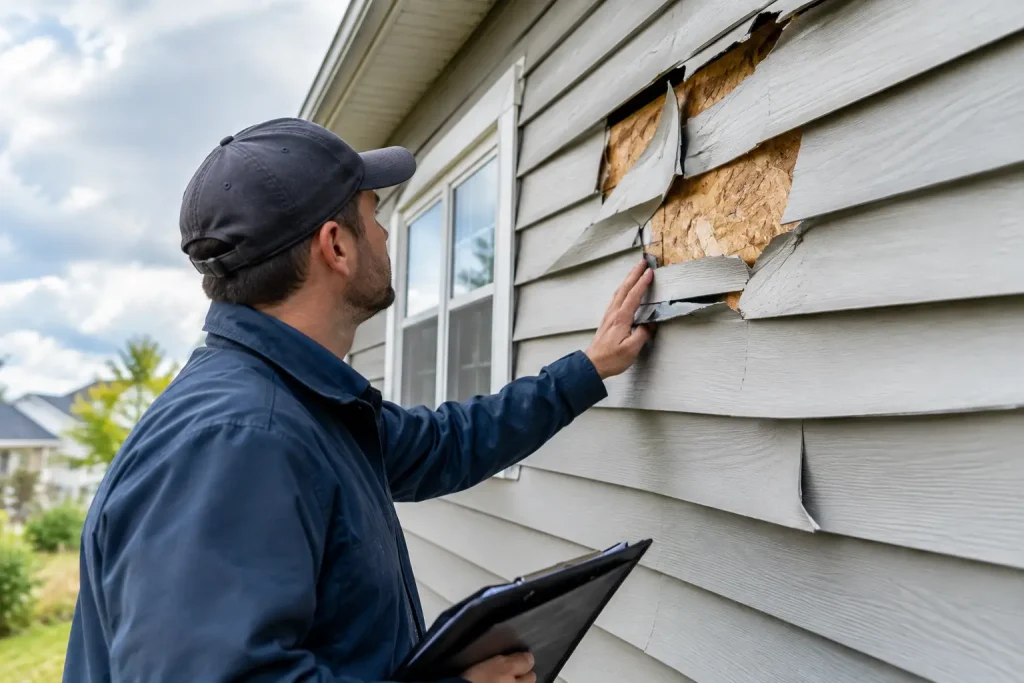
A windstorm can leave more than a few loose panels behind. When siding is cracked, pulled away from the wall, or punctured by hail, your home may be exposed to wind-driven rain, pests, and moisture that can travel behind the exterior. Prompt storm damaged siding repair helps protect the structure beneath the surface before a manageable repair turns into damaged sheathing, insulation, or interior walls.
For Utah homeowners, the right next step depends on what the storm did, what material is on your home, and whether the damage is limited to one area or spread across multiple sides. The goal is not to rush into a full replacement. It is to get a clear, honest assessment and make sure your home is protected.
Do Not Ignore Siding Damage After a Storm
Siding is part of your home’s weather barrier. It directs water away from the wall assembly and helps shield the materials underneath from sun, wind, and changing temperatures. Even a small opening can allow water to get where it does not belong during the next storm.
The damage is not always obvious from the driveway. A panel may look mostly intact but have loosened at its fastening points. Hail may leave cracks that widen through winter freeze and thaw cycles. Wind can lift siding edges, leaving gaps where rain and insects can enter.
If your roof, gutters, fascia, or soffit were damaged in the same storm, treat that as a reason to inspect the siding closely too. Storm damage often affects several exterior components at once, and addressing them together can help prevent missed issues and repeated repair visits.
What to Do in the First 24 Hours
Start by looking at your home from the ground. Do not climb a ladder or try to pull panels back into place during wet, windy conditions. Take photos and short videos of visible damage, including loose sections, cracks, dents, holes, displaced trim, and debris around the property.
If a panel has come away from the wall, keep people and pets away from sharp edges or unstable pieces. Move outdoor furniture, grills, and vehicles if additional debris could fall. If you can safely do so from the ground, place a tarp over exposed belongings near the damaged area, but avoid taping or fastening anything directly to fragile siding.
Then schedule a professional exterior inspection. A qualified contractor can determine whether water has reached the layers behind the siding and whether related components, such as window trim, gutters, fascia, or roof edges, need attention.
Common Signs You Need Storm Damaged Siding Repair
Some types of damage are easy to spot, while others need a closer inspection. Watch for these signs after high winds, hail, or heavy rain:
- Cracked, split, warped, or missing siding panels
- Hail dents, chips, punctures, or paint loss on siding and trim
- Panels that are loose, lifted, buckled, or no longer locked together
- Gaps around windows, doors, corners, vents, or utility connections
- Water stains, peeling paint, soft spots, or musty odors inside near exterior walls
Vinyl siding may crack or pull free in high winds. Fiber cement can chip or fracture after a hard impact. Wood siding may split, absorb water, or show raised grain after prolonged moisture. Metal siding can dent and lose protective coatings. Each material requires a different repair approach, so the repair should match the siding already on your home.
Repair or Replace? It Depends on the Extent of Damage
A localized repair is often the best choice when damage is confined to a few panels and the material behind them is dry and sound. Replacing the affected sections, securing loose trim, and resealing vulnerable areas can restore protection without the cost of replacing an entire wall.
Replacement becomes more practical when damage is widespread, several elevations of the home are affected, or the existing siding is already brittle, faded, or near the end of its useful life. Matching older siding can also be difficult. Sun exposure changes color over time, so a new panel may look noticeably different even when it is the same product and color.
The most important question is whether moisture has gotten behind the siding. If wall sheathing, insulation, or framing has been affected, simply covering the opening with a new panel is not enough. The wet material needs to be identified and addressed before the exterior is closed back up.
A trustworthy contractor should explain the difference between a cosmetic repair and a repair that resolves the underlying problem. You deserve a recommendation based on the condition of your home, not a one-size-fits-all sales pitch.
How Insurance May Help With Siding Damage
Storm damage may be covered by your homeowner’s insurance policy, but coverage depends on the cause of loss, the policy terms, your deductible, and the condition of the siding before the storm. Sudden wind or hail damage is treated differently from long-term wear, improper installation, or deferred maintenance.
Good documentation makes the process easier. Save your storm photos, note the date and time of the event, and keep records of any temporary protective measures you take. A detailed exterior inspection can provide the information needed to understand the scope of damage before you speak with your adjuster.
Do not assume you need to know exactly what is covered before requesting an inspection. A contractor experienced with storm restoration can identify visible damage, explain recommended repairs in plain language, and help you gather clear documentation for your claim. The final coverage decision belongs to your insurance company, but having accurate information helps you ask better questions.
Why Fast Repairs Matter in Utah
Utah weather can be hard on exterior materials. Strong wind, hail, intense sun, sudden rain, and seasonal temperature swings can turn a small crack into a bigger problem quickly. A gap that lets in a little water during one storm may allow repeated moisture exposure through the next several weeks.
Fast action does not mean making a rushed decision. It means getting the property inspected, stopping active exposure, and understanding your options while the damage is fresh and easier to document. Waiting can make it harder to separate storm damage from later deterioration, especially if water intrusion causes additional staining or rot.
For commercial properties, timing matters even more. Loose siding or damaged exterior cladding can create safety concerns, affect curb appeal, and expose offices, storage areas, or tenant spaces to water damage. A prompt inspection helps property owners plan repairs with less disruption.
What a Professional Siding Inspection Should Include
A thorough inspection should look beyond the most visible damaged panel. The contractor should check siding courses, corner trim, window and door trim, flashing transitions, soffit, fascia, gutters, and roof-to-wall areas where water can enter.
They should also look for signs of hidden moisture, including soft sheathing, damaged house wrap, discoloration, or gaps in the weather barrier. If repairs are recommended, ask what will be removed, what materials will be replaced, how the new work will be tied into existing siding, and whether color matching is realistic.
You should receive a clear explanation of what is urgent, what can wait, and what the repair is expected to accomplish. That clarity matters when you are comparing estimates or deciding whether to involve insurance.
A Better Way to Move Forward After Storm Damage
The best storm damaged siding repair is one that restores your home’s protection without creating new problems down the road. That means securing loose materials, addressing moisture before it is covered up, and using repair methods that fit your siding type and the condition of the wall beneath it.
At Big West Roofing, our team can inspect storm-related exterior damage and help Utah homeowners understand the practical next step, whether that is a focused repair, coordinated exterior work, or documentation for an insurance claim. A timely inspection gives you the facts you need to protect your home with confidence.