
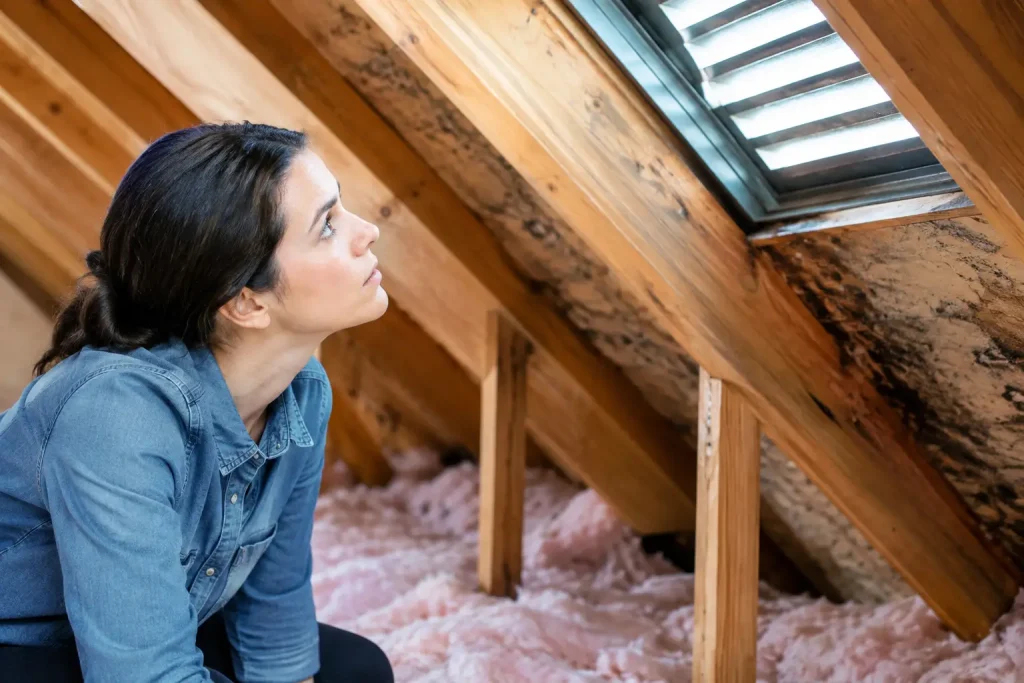
Your attic should not feel like a furnace in July or a damp storage room in winter. When it does, the problem may be more than comfort. The signs of poor attic ventilation can show up in your energy bills, your shingles, your insulation, and even the air inside your home.
For Utah homeowners, attic ventilation matters year-round. Summer heat can build quickly beneath a roof, while winter snow, freezing temperatures, and indoor humidity can create damaging condensation. Catching the warning signs early can help you avoid a much larger roofing repair later.
Why Attic Ventilation Matters to Your Roof
A properly ventilated attic allows fresh air to enter near the lower edge of the roof, usually through soffit vents, and exit near the ridge or upper roof area. That steady airflow helps release heat and moisture before they can cause trouble.
Ventilation is not just about adding more vents. The intake and exhaust must work together, and insulation must not block airflow at the eaves. A roof can have several visible vents and still perform poorly if the system is unbalanced, blocked, or incorrectly installed.
10 Signs of Poor Attic Ventilation
1. Upstairs Rooms Stay Uncomfortably Hot
If the second floor is much hotter than the rest of the home during summer, attic heat may be pressing down through the ceiling. Some temperature difference is normal, especially in two-story homes with large windows or west-facing rooms. But a dramatic difference that your air conditioner cannot overcome is worth investigating.
Poor ventilation lets solar heat linger under the roof deck for hours. That heat can make bedrooms uncomfortable, increase cooling costs, and put added strain on your HVAC system.
2. Your Air Conditioner Seems to Run Constantly
A high summer electric bill does not automatically mean your attic ventilation has failed. Air leaks, aging equipment, insufficient insulation, and thermostat habits also affect energy use. Still, an overworked air conditioner paired with a very hot attic is a common warning sign.
When attic temperatures climb, heat transfers into the living areas below. Your cooling system then has to work harder to maintain the temperature you set.
3. The Attic Feels Extremely Hot and Stuffy
On a warm day, an attic will always be hotter than the outdoor air. The concern is excessive, trapped heat that remains long after the sun has moved off the roof. If stepping into your attic feels like opening an oven door, it may not be exhausting heat effectively.
A roofing professional can check whether ridge vents, box vents, gable vents, or other exhaust vents are doing their job. They can also inspect the soffits to make sure insulation, paint, debris, or pest nests are not blocking intake ventilation.
4. Moisture, Frost, or Condensation Appears in the Attic
Winter is when many ventilation problems become visible. Warm, humid household air rises into the attic through ceiling gaps around light fixtures, plumbing penetrations, attic hatches, and duct openings. When that moisture hits cold roof decking or nails, it can condense or freeze.
You may notice water droplets on the underside of the roof, frosty nail tips, damp insulation, or dark staining on the wood. This should not be ignored. Repeated moisture exposure can lead to mold, wood rot, and reduced insulation performance.
5. Moldy Smells or Dark Stains Develop
A musty odor near the attic access is never something to brush aside. Mold growth needs moisture, and poor airflow can create the damp conditions it needs. Dark streaks or spotting on roof sheathing may be mold, although a professional should inspect the area before assuming the cause.
Roof leaks, plumbing leaks, and bathroom fans that vent into the attic can produce similar symptoms. The right solution depends on the source. Simply adding a vent will not fix an active roof leak or a disconnected exhaust duct.
6. Insulation Is Damp, Flattened, or Uneven
Insulation should be dry, fluffy, and evenly distributed. Wet or compressed insulation loses much of its ability to resist heat transfer. That means your home can become harder to cool in summer and harder to heat in winter.
Look for matted areas, discoloration, or insulation that appears damp around the attic perimeter. Also watch for insulation pushed tightly into the soffits. It may seem like more insulation is always better, but blocking the intake vents can trap moisture and heat inside the attic.
7. Shingles Curl, Crack, or Age Too Quickly
Roofing materials naturally wear over time, especially after years of sun, wind, hail, and snow. But extreme attic heat can speed up the aging process of asphalt shingles. You may see curling edges, cracking, blistering, granule loss, or a roof that seems to deteriorate sooner than expected.
Ventilation is only one possible factor. Installation quality, shingle type, roof slope, storm damage, and age all matter. Still, if roofing problems are recurring, the attic ventilation system deserves a close look before repairs or replacement move forward.
8. Ice Dams Form Along Roof Edges
Ice dams happen when snow melts on a warm upper roof, runs toward the colder eaves, and refreezes. The ice can trap water behind it, increasing the chance of leaks and damage to shingles, underlayment, gutters, and interior ceilings.
Ventilation is part of the solution, but not the entire solution. Air sealing and adequate insulation are equally important because they help keep warm indoor air from heating the roof deck. A contractor should evaluate the full system rather than treating ice dams as a gutter problem alone.
9. Rust Appears on Metal Components
Check for rust on nails, metal connectors, HVAC components, or vent pipes in the attic. Rust indicates that moisture has been present long enough to affect metal surfaces. In a dry Utah climate, repeated rust inside an attic is especially worth addressing.
This sign may be subtle, but it can reveal a long-term condensation issue before the roof decking begins to soften or rot. Early inspection is typically far less disruptive than waiting for visible ceiling damage.
10. Bathroom Fans Exhaust Into the Attic
A bathroom fan should carry humid air outdoors, not into the attic. Unfortunately, disconnected ducts, crushed flex ducts, and improperly terminated vents are common issues in homes of many ages.
If you see a loose duct releasing warm air into the attic, arrange a repair promptly. Every shower can add moisture to the space, and that moisture can collect on cold surfaces during winter. Proper duct routing and exterior termination protect both your attic and your indoor air quality.
When to Schedule a Roof Inspection
You do not need to wait for a leak to have your attic checked. An inspection is a smart next step if you notice moisture, moldy odors, unusual indoor temperatures, premature shingle wear, or ice dams. It is also wise after major wind or hail events, which can damage vents and roofing materials at the same time.
During an attic ventilation evaluation, a qualified roofer should look at the roof from the exterior and the attic from the interior. That includes checking intake and exhaust ventilation, roof decking, insulation coverage, visible moisture, vent connections, and signs of storm damage. The goal is to identify the actual cause, not sell a one-size-fits-all fix.
At Big West Roofing, we believe homeowners deserve clear answers about the condition of their roof and attic. A free roof inspection can help you understand what is happening, what needs attention now, and what may be safely monitored for later.
A cooler, drier attic helps protect the roof over your family for years to come. If something in your attic does not look, smell, or feel right, getting a professional opinion now can bring peace of mind before a small ventilation issue becomes a costly repair.