
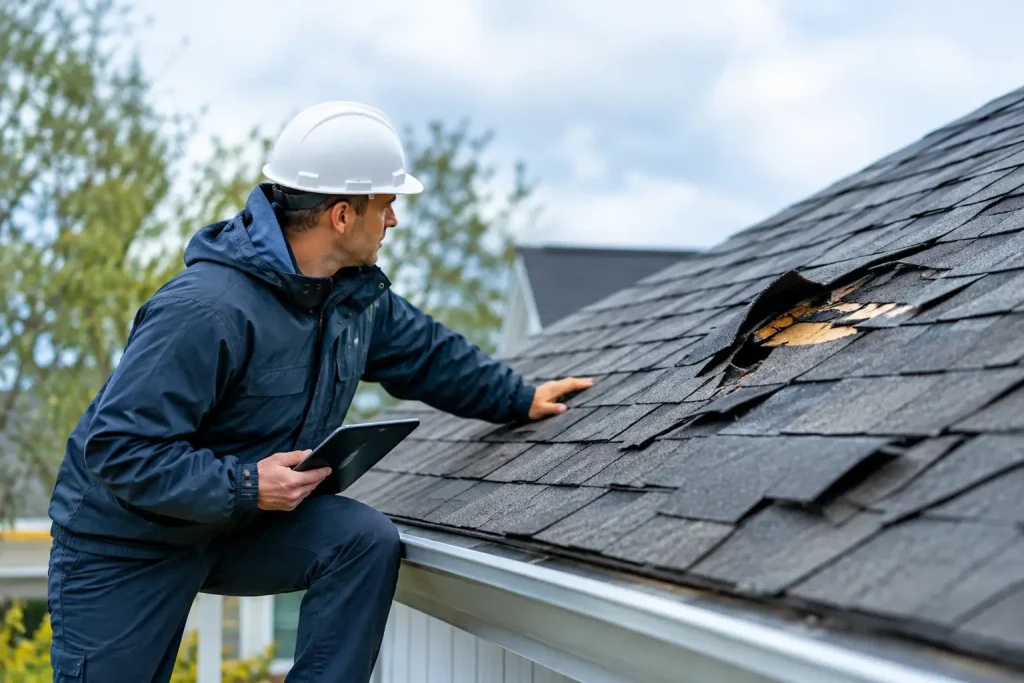
A ceiling stain that grows during a rainstorm, shingles scattered across the yard, or water dripping near electrical fixtures is not a problem to put off until next week. Emergency roofing companies help protect your home or building when damage cannot safely wait, but knowing what qualifies as an emergency can save valuable time and prevent a smaller repair from becoming a major restoration.
For Utah homeowners and property owners, fast action matters after high winds, hail, heavy snow, or a sudden leak. The goal is not to make a rushed decision. It is to stabilize the situation, protect the people inside, and bring in a qualified local roofer who can explain what happened and what needs to happen next.
What Counts as a Roofing Emergency?
Not every missing shingle requires an after-hours call. A roofing emergency is generally any issue that is actively allowing water into the structure, creates an immediate safety risk, or leaves a large part of the roof exposed to the weather.
An active leak is the most common example. Water can move far from the original entry point, soaking insulation, staining drywall, damaging framing, and creating conditions for mold. A small drip during a storm may look manageable, but it deserves prompt attention if it continues or worsens.
Storm damage can also require immediate help. Wind may lift shingles, tear flashing loose around chimneys, or expose underlayment. Hail can crack shingles and damage vents, though the full extent is not always visible from the ground. If a tree limb has penetrated the roof, part of the roof deck has collapsed, or loose materials are falling near entrances, keep people away from the area and call for professional assistance right away.
Commercial property owners should also act quickly when a leak affects tenant spaces, inventory, electrical systems, or operations. Membrane roofs can develop punctures or separated seams that allow water to travel beneath the surface. A temporary repair made early may protect the building while a permanent solution is planned.
What to Do Before the Roofer Arrives
Your first priority is safety. If water is near light fixtures, outlets, or electrical equipment, avoid touching the area. Turn off power to the affected section only if you can do so safely. If the ceiling is sagging or bulging with water, stay clear of it. A water-loaded ceiling can collapse without much warning.
Move furniture, electronics, rugs, and valuables away from the leak. Use buckets or containers to catch dripping water, and place towels around them to reduce slipping. If you can safely access the attic, look for wet insulation or visible dripping, but do not step on ceiling drywall or attempt to walk on a damaged roof.
Take photos and short videos of the interior damage, the water source if visible, and any storm debris around the property. Documentation can be useful when speaking with your insurance company. It also gives the roofing contractor a clearer picture of what occurred before conditions change.
Avoid climbing onto the roof with a tarp, especially during rain, wind, darkness, or icy weather. A temporary cover installed incorrectly can cause more damage or create a serious fall hazard. Emergency roofing work is about controlling risk, not taking chances to save a few hours.
How Emergency Roofing Companies Protect Your Property
The best emergency roofing companies do more than patch the most obvious hole. They begin by identifying the source of the problem, checking surrounding roof areas, and looking for damage that may continue to let water in after the immediate storm passes.
In many cases, the first visit focuses on stabilization. That may include securing loose materials, installing a professional temporary cover, sealing a vulnerable opening, or removing debris that is preventing proper drainage. The right temporary repair buys time and helps prevent water from reaching more of the home.
Once the roof is safe to inspect, the contractor should explain whether the damage calls for a targeted repair, replacement of a section, or a broader roof replacement. There is no single answer for every roof. A newer roof with isolated wind damage may only need a repair, while an older roof with widespread shingle failure may not be a good candidate for repeated patching.
Clear communication is especially important after a storm. You should understand what work is temporary, what work is permanent, what materials are recommended, and what the expected cost and timeline look like. A trustworthy contractor does not pressure you into a full replacement before evaluating the condition of the entire roof.
Choosing an Emergency Roofing Company in Utah
When water is coming into your home, it is tempting to call the first name that appears in a search. Response time matters, but so does who will be handling your roof. Look for a local contractor with an established presence, proper insurance, and experience with the roofing systems common in your area.
Ask whether the company can perform an on-site inspection and provide a written scope of work. Be careful with anyone who promises an exact price without seeing the damage or insists that you sign paperwork immediately. Storm-related repairs can involve hidden damage, so an honest contractor will explain what is known, what still needs inspection, and what may affect the final cost.
It is also reasonable to ask about workmanship protections, material options, and whether the contractor can help document damage for an insurance claim. Insurance may cover qualifying wind or hail damage, but coverage depends on your policy, deductible, roof age, and the cause of the loss. A roofing contractor can provide photos, measurements, and repair information, but your insurer makes the final coverage decision.
For homeowners balancing an urgent repair with an unexpected expense, ask about financing options before work begins. A clear conversation about price is far better than discovering costs after the repair is underway.
Watch for Storm-Chasing Red Flags
After widespread hail or wind events, unfamiliar contractors may canvass neighborhoods offering immediate replacements. Some are reputable, but others move on quickly once the storm season ends. Be cautious if someone asks for full payment upfront, cannot show local references, uses high-pressure sales tactics, or tells you to exaggerate damage to your insurer.
A local roofer has a reputation to protect long after the weather clears. That matters if you have questions about the repair months later or need help with another exterior issue, such as gutters, fascia, or siding damaged by the same storm.
Repair, Replacement, or Temporary Protection?
A professional inspection should guide this decision. Roof repair is often the right choice when the damage is limited, the surrounding materials are in good condition, and matching shingles or membrane materials are available. Repairing early can preserve the remaining life of a roof and keep costs manageable.
Replacement may make more sense when the roof is near the end of its service life, has repeated leaks, or has widespread storm damage. Installing new materials over a failing system may only postpone the problem. For commercial roofs, the condition of the insulation, drainage, seams, and roof deck may all influence whether repair is practical.
Temporary protection serves a different purpose. It limits additional water damage while weather conditions improve, an insurance inspection is scheduled, or materials are ordered. It should not be treated as a permanent fix unless the contractor confirms the underlying issue has been fully resolved.
Why a Fast Inspection Can Save More Than a Fast Patch
The visible leak is rarely the whole story. Water can spread through attic spaces, wall cavities, insulation, and ceiling materials before it appears inside. A prompt inspection helps identify whether moisture has reached vulnerable areas and whether exterior components are directing water where it should go.
This is also a good time to inspect gutters, flashing, vents, skylights, and roof penetrations. Many leaks start at these transition points rather than in the middle of a roof field. Addressing the details can prevent the same problem from returning during the next storm.
Big West Roofing helps Utah property owners respond quickly with straightforward inspections, clear repair recommendations, and support when storm damage raises insurance questions. The focus should always be on the work your property actually needs, not a one-size-fits-all sales pitch.
When the weather turns and your roof shows signs of trouble, protect the interior, document what you can safely see, and get an experienced roofer involved early. A calm, informed response can keep one difficult night from becoming months of avoidable repairs.