
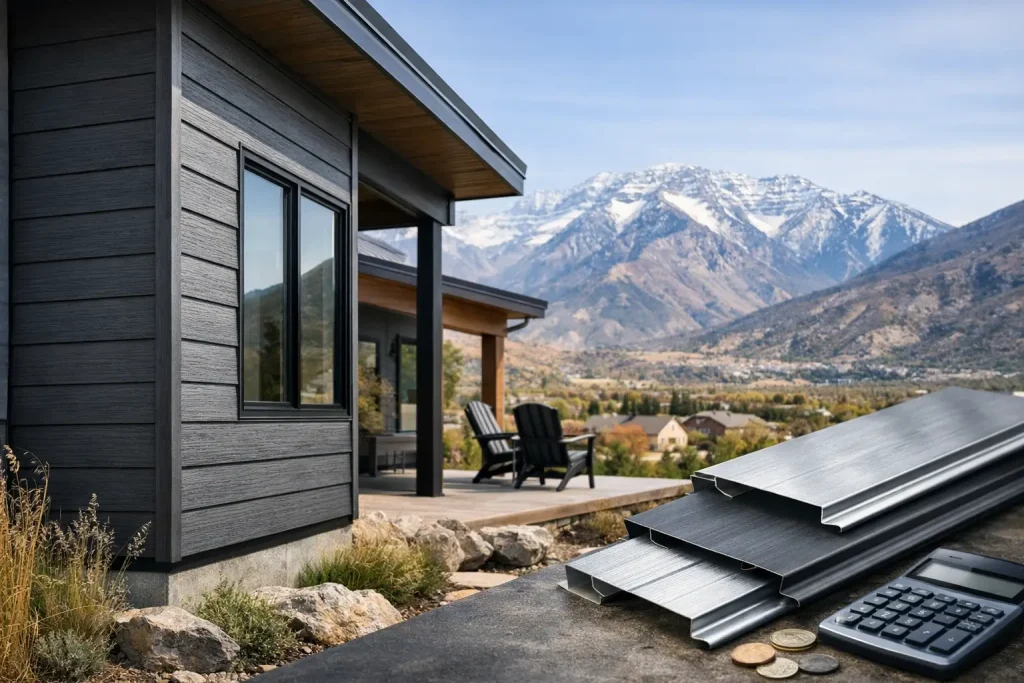
Utah weather has a way of finding weak spots. One season brings intense sun, the next brings wind, hail, snow, or sudden temperature swings. That is why many homeowners start looking at steel siding when their current exterior begins to fade, crack, warp, or need constant repainting. If you want an exterior that can handle hard weather with less upkeep, steel is worth a serious look.
For many homes, siding is not just about curb appeal. It is a protective layer that helps defend the structure, supports energy performance, and affects how much maintenance you deal with year after year. Steel siding stands out because it is durable, fire-resistant, and built to last. But like any exterior product, it is not the right fit for every house or every budget.
Why homeowners choose steel siding
The biggest reason homeowners choose steel siding is durability. Steel holds up well against impacts, strong winds, and harsh seasonal changes. In a place like Utah, where homes can face hail, blowing debris, dry heat, and freezing temperatures, that durability matters.
Steel also does not absorb moisture the way some other materials can. That lowers the risk of swelling, rot, or insect damage. If you have dealt with woodpecker holes, peeling paint, or sections of siding that keep needing repair, steel can feel like a major upgrade.
Another benefit is fire resistance. While no siding makes a home fireproof, steel is non-combustible, which gives many homeowners added peace of mind. For people thinking long term, that can be a meaningful advantage.
Appearance has also improved over the years. Modern steel siding comes in a range of colors, finishes, and profiles. Some styles are clean and contemporary, while others mimic the look of traditional lap siding. It is no longer limited to an industrial look unless that is what you want.
How steel siding performs in Utah
Not every siding material reacts the same way to Utah’s climate. Strong UV exposure can fade some exteriors faster. Freeze-thaw cycles can open up cracks. Wind-driven storms can test weak installation. Steel siding generally performs well here because it is stable in changing temperatures and tough enough to handle rough weather.
That said, performance depends on more than the material alone. Installation quality matters. If panels are not properly fastened, flashed, and detailed around windows, doors, corners, and rooflines, even a durable product can underperform. Good siding work is about the system, not just the panel.
Homes in areas with regular hail or wind exposure may especially benefit from steel. It is not indestructible, and severe storms can still leave dents, but it often comes through weather events better than more fragile materials. For homeowners who are already replacing roofing, gutters, fascia, or soffit, it can also make sense to look at the full exterior together.
The trade-offs to know before you choose steel siding
Steel siding has real strengths, but it is smart to go in with a clear picture. The biggest trade-off for many homeowners is cost. Steel usually costs more upfront than vinyl. That higher initial price can be worth it if you plan to stay in the home and want lower maintenance over time, but it is still a budget consideration.
Denting is another factor. Steel is strong, but a direct hit from large hail or heavy impact can still leave a visible dent. Thicker gauge products tend to resist damage better, which is one reason product selection matters.
Scratches should also be addressed quickly. If the factory finish gets cut deeply enough to expose bare metal, that area can become vulnerable to rust over time. Quality coatings help prevent this, and proper maintenance helps even more, but it is something to keep in mind.
Steel can also be less forgiving during installation than some lighter materials. Precision matters. Poor cuts, misaligned panels, or sloppy trim work will show. That is why contractor experience plays such a large role in how the finished job looks and performs.
Steel siding vs. other common siding options
If you are comparing options, it helps to think in terms of maintenance, lifespan, appearance, and weather resistance.
Vinyl siding usually wins on lower upfront cost. It is widely used and can look good when installed correctly, but it may crack, fade, or warp over time, especially under tough weather conditions. For homeowners focused on the lowest initial investment, vinyl may still be attractive. For those focused on longevity and impact resistance, steel often has the edge.
Fiber cement is another strong contender. It offers a solid look, good fire resistance, and durability, but it is heavier and can require more labor to install. Depending on the product and exposure conditions, maintenance can still include repainting down the road.
Wood has natural charm, but it demands more upkeep. Insects, moisture, and regular painting or staining add to the long-term cost. Some homeowners love the look enough to take that on. Others would rather install something that asks for much less attention.
Aluminum siding is lightweight and rust-resistant, but it tends to dent more easily than steel. For areas where impact resistance is a bigger concern, steel is often the stronger choice.
What affects the cost of steel siding?
Pricing varies more than many homeowners expect. The type of panel, steel thickness, finish quality, insulation backing, trim details, and labor complexity all affect the final number. A simple one-story home with easy access is different from a taller home with multiple rooflines, dormers, or a lot of window and door detail.
Removal of old siding can add to the cost. So can repairs to sheathing or weather barrier issues uncovered during the project. This is not unusual. Exterior work often reveals hidden damage, especially around windows, roof edges, and areas where water has been getting in.
Color and finish matter too. Premium coatings can improve fade resistance and overall longevity, which may justify the added cost. In many cases, the best value is not the cheapest product. It is the option that balances appearance, durability, and maintenance in a way that fits your home and how long you plan to stay there.
If budget is a concern, ask for a detailed estimate that separates material, labor, tear-off, trim, and any repair allowances. Clear pricing makes it easier to compare options honestly.
Maintenance and lifespan
One reason steel siding appeals to busy homeowners is that maintenance is fairly straightforward. It does not need the same regular painting schedule as wood, and it is not as prone to cracking as some lower-cost materials. Most of the time, maintenance comes down to occasional cleaning and periodic inspection.
It is still smart to walk the exterior after major storms. Look for dents, scratches, loose trim, or sealant issues around penetrations and joints. Catching small problems early helps protect the larger investment.
With quality materials and proper installation, steel siding can last for decades. The finish quality often plays a major role in how well it holds its color and appearance. That is one more reason not to focus only on the panel itself. The system, coating, and workmanship all matter.
Is steel siding right for your home?
Steel siding makes a lot of sense for homeowners who want long-term durability, low upkeep, and strong weather performance. It is especially appealing if your current exterior is repeatedly showing damage, fading quickly, or creating an ongoing maintenance list you are tired of dealing with.
It may be a smart fit if you plan to stay in your home for years and want to invest in an exterior that can keep up with Utah conditions. It can also be a good choice if fire resistance and impact resistance are high on your priority list.
On the other hand, if your top goal is the lowest upfront price, steel may not be your first option. And if your home has a very specific architectural look, you may want to compare steel profiles carefully against fiber cement or other materials before deciding.
For most homeowners, the best next step is not picking a product from a brochure. It is having the home inspected by a contractor who can look at the full exterior, explain what condition the existing system is in, and talk through realistic options for your budget and goals. Big West Roofing works with homeowners across Utah who want straight answers, quality workmanship, and exterior solutions built to last.
A good siding decision should leave you with fewer worries, not more. If steel gives you that confidence when the next storm rolls in, it is worth a closer look.