
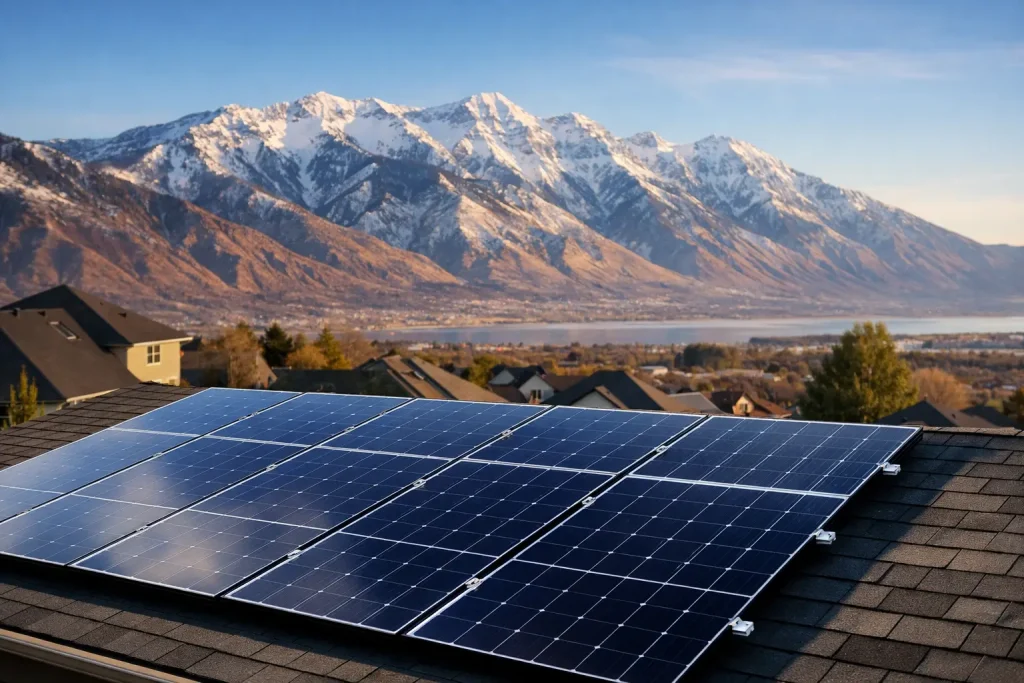
A lot of homeowners start thinking about solar panels right after opening a summer power bill or planning for a roof replacement. That timing makes sense. In Utah, strong sun exposure can make solar a smart long-term investment, but the real answer depends on your roof, your energy use, and whether the system is installed with the bigger picture in mind.
For most property owners, the question is not whether solar works. It does. The better question is whether it works well for your home, your budget, and your roof over the next 20 to 30 years. That is where good planning matters.
Why solar panels make sense in Utah
Utah gives homeowners one of the biggest advantages solar can have – plenty of sunshine. More sunny days usually means better production, which helps offset electric bills over time. For families trying to control monthly expenses, that can be a real benefit instead of a sales pitch.
There is also a practical side to energy costs. Utility rates do not usually move in one direction for long, and homeowners like having more control over what they pay. Solar can provide that stability. If you plan to stay in your home for years, the long-term value often looks better than it does in the first quick quote.
That said, solar is not automatic savings for every home. Shade, roof age, panel placement, and system design all affect the final result. Two houses on the same street can have very different outcomes.
The roof matters as much as the panels
This is where many homeowners get frustrated. They are told all about panel output and financing, but not enough about the condition of the roof underneath. Solar panels are mounted to your roofing system, so if the roof is already near the end of its life, installing solar first can create avoidable cost later.
If you need roof work in a few years, the panels may have to be removed and reinstalled before replacement can happen. That adds labor, scheduling, and extra expense. In many cases, it makes more sense to inspect the roof first and decide whether repair, replacement, or solar should come first.
A newer roof usually gives you the strongest starting point. If your shingles are aging, if you have active leaks, or if storm damage has already weakened the system, it is smarter to address those issues before committing to solar. A solid roof protects your investment in the panels just as much as it protects the home itself.
Are solar panels worth the upfront cost?
The honest answer is that it depends on your timeline. Solar panels usually are not about instant payoff. They make the most sense for homeowners who want lower energy costs over time and who plan to stay put long enough to benefit from those savings.
Upfront pricing can feel significant, especially if you are also thinking about roof repairs or exterior work. That is why financing matters for a lot of households. Spreading out the cost can make solar more manageable, but the monthly numbers still need to work in the real world, not just on paper.
Homeowners should also be careful with overly aggressive promises. If a quote sounds like it eliminates your bill entirely no matter what, ask more questions. Actual savings depend on system size, seasonal production, household usage, local utility policies, and whether your roof allows the best orientation. A trustworthy contractor should explain those variables clearly.
What makes a home a good fit for solar panels?
A good fit starts with sun exposure, but it does not stop there. Roof slope, direction, and available space all influence how effective a system will be. South-facing roof sections often perform well, but other orientations can still be worthwhile depending on the layout.
Roof condition is another major factor. A strong, well-installed roofing system provides the stability solar needs. If your home has frequent repair issues, soft decking, storm damage, or older materials, those concerns should be part of the conversation from day one.
Your power use matters too. Homes with higher electric bills usually see the value more quickly because there is more consumption to offset. On the other hand, a smaller household with modest usage may still benefit from solar, but the financial return can take longer.
Solar panels and storm concerns
Utah homeowners know weather can turn quickly. Hail, wind, snow, and seasonal temperature swings are not minor details here. That is one reason installation quality matters so much.
Solar panels are built to handle tough conditions, but no system is better than the roof and mounting work behind it. Poor attachment points, rushed flashing, or weak waterproofing can lead to trouble over time. The risk is not just panel damage. It is roof leaks, premature wear, and expensive repairs that could have been prevented.
This is one reason many homeowners feel more comfortable working with a contractor who understands both roofing and solar. When the roof and panel system are treated as one project instead of two disconnected jobs, there is less room for finger-pointing later.
What to ask before installing solar panels
Before signing anything, ask how old your roof is and whether it is truly ready for a long-term solar installation. Ask how the mounts will be flashed and sealed. Ask what happens if your roof needs repair down the road. Ask what warranties apply to the roofing work versus the solar equipment.
You should also ask for a realistic production estimate based on your actual property, not a generic average. If there are trees, nearby buildings, or unusual roof angles, those should be reflected in the proposal. A good quote should feel specific to your home.
It is also reasonable to ask about timelines, permits, and who is handling each part of the job. Homeowners deserve straight answers. Clear communication at the beginning usually leads to a smoother project from start to finish.
Roof replacement and solar at the same time
In some cases, combining a roof replacement with solar installation is the smartest move. It can save time, reduce future disruption, and make sure the whole system starts fresh together. That is especially true if your current roof is already nearing the end of its lifespan.
There is also peace of mind in knowing the roof beneath the panels is built to last. No homeowner wants to install a solar system and then face a major roofing project a few years later. Coordinating both at once can be more efficient and easier to budget for than handling them separately.
For families already dealing with storm damage, insurance questions, or an aging roof, this combined approach can simplify decisions. Instead of patching one issue now and revisiting a larger one later, you can make a plan that supports the home for the long haul.
Choosing the right contractor for solar panels
Solar is not just an equipment purchase. It is a construction project attached to one of the most important parts of your home. That means the contractor matters just as much as the panels themselves.
Look for a company that explains things clearly, responds quickly, and takes roof health seriously. You want someone who will talk honestly about whether your roof is ready, what your options are, and how pricing, warranties, and scheduling will work. If a contractor skips over those basics and pushes only the sale, that is a warning sign.
For Utah homeowners, local experience matters too. Weather patterns, building styles, and roofing needs here are specific. A contractor who understands local conditions can help you make a better decision, especially if your home has had wind, hail, or age-related roof issues.
That local, roof-first approach is why many homeowners prefer working with a company like Big West Roofing when considering solar as part of a larger exterior investment. The goal should not be to sell panels as fast as possible. The goal should be to protect the home and make the numbers work in a way that feels practical.
When solar panels are a smart move
Solar makes a lot of sense when your roof is in good condition, your home gets solid sun exposure, and you plan to stay in place long enough to see the savings build. It also becomes more appealing when you want more predictable energy costs and are already thinking about larger home improvements.
But there are times to wait. If your roof needs major work, if heavy shade limits production, or if the monthly financing does not fit comfortably into your budget, it may be better to address those concerns first. There is nothing wrong with deciding that the timing is not right yet.
The best solar decision is usually the one made without pressure. Start with the roof. Look at your energy use. Ask direct questions. A good contractor will help you sort through the trade-offs and make a choice that fits your home, not just a sales target.
If you are considering solar panels, think of them as part of your home’s protection plan, not a standalone add-on. When the roof, installation, and financing all make sense together, solar can be a practical upgrade that pays you back over time.