
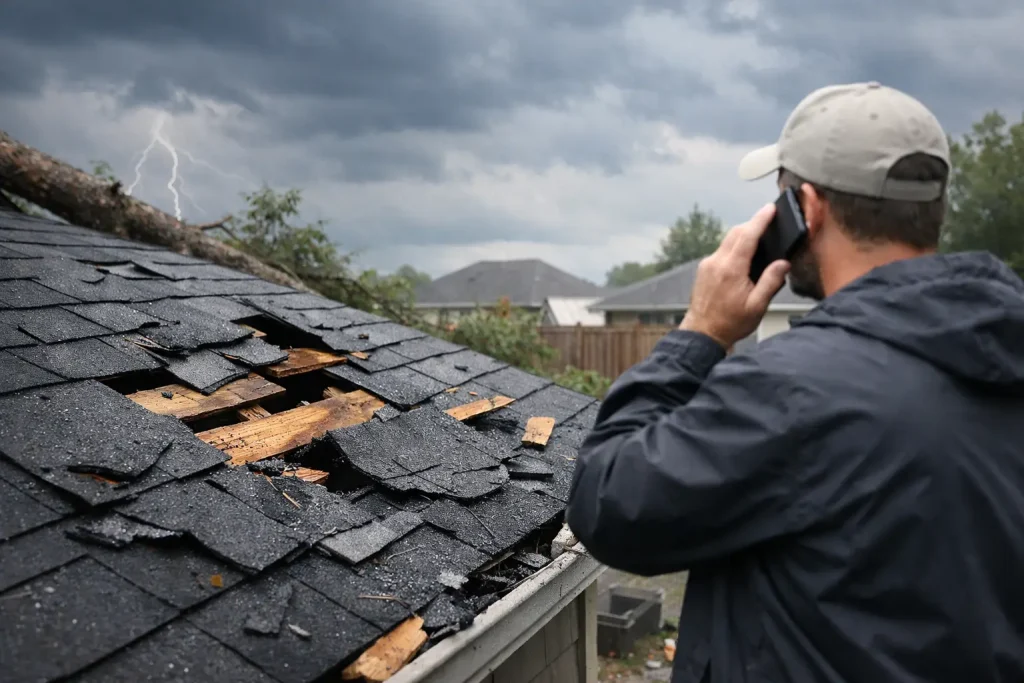
A storm moves through, the wind dies down, and the house looks mostly fine from the driveway. That is exactly when roof storm damage gets missed. A few lifted shingles, bruised flashing, or small punctures may not look urgent, but they can turn into leaks, insulation problems, and interior repairs if they are left alone.
In Utah, roofs take a beating from wind, hail, heavy snow, and sudden temperature swings. That means storm damage is not always dramatic. Sometimes it shows up as a water stain weeks later. Sometimes it shortens the life of a roof that already had a few years on it. The key is knowing what to check, what not to ignore, and when to bring in a professional for a clear answer.
How roof storm damage happens
Most homeowners think of missing shingles first, and yes, that is one of the most obvious signs. But storms can damage a roof in several ways depending on the weather event and the roofing material.
Wind can break the seal on shingles, lift edges, and expose nails. Once that seal is compromised, the next storm has an easier time tearing sections loose. Hail can knock granules off asphalt shingles, bruise the mat beneath the surface, dent metal panels, and damage vents or flashing. Heavy rain can exploit weak points around valleys, chimneys, skylights, and pipe boots. If snow or ice is part of the weather pattern, water can back up under roofing materials and create leaks that are harder to trace.
Not every roof responds the same way. A newer roof installed correctly may hold up well under a storm that seriously damages an older roof nearby. Roof pitch, ventilation, prior repairs, and material quality all matter. That is why two homes on the same street can look very different after the same weather event.
Signs of roof storm damage you should not ignore
Some signs are easy to spot from the ground. Others show up inside the house before you notice anything outside. If you are trying to decide whether the roof needs attention, start with what you can safely observe.
From outside, look for shingles in the yard, exposed roof areas, sagging gutters, bent flashing, dented metal components, and granules collecting in downspouts. Dark patches on shingles can also be a clue, especially after hail. On metal roofing, dents may be cosmetic or they may affect performance. It depends on where the impact landed and whether seams, fasteners, or coatings were affected.
Inside the home, pay attention to water stains on ceilings, damp insulation in the attic, peeling paint near rooflines, or a musty smell after a storm. Those symptoms do not always mean the whole roof has failed. They do mean water may be getting in somewhere, and that rarely gets better on its own.
One of the biggest mistakes homeowners make is waiting for an active drip before calling someone out. By the time water is visible indoors, the damage often extends beyond the roof covering.
What to do right after a storm
Start with safety. If power lines are down, tree limbs are on the house, or the roof looks unstable, keep your distance and call the right emergency services first. Do not climb onto a wet or damaged roof to inspect it yourself.
Once it is safe, document what you can see from the ground. Take photos of the roofline, siding, gutters, windows, and any debris that may have caused impact damage. If there is interior leaking, photograph stains, wet drywall, or damaged belongings as well. This helps create a timeline and can be useful if you end up filing an insurance claim.
Then schedule a roof inspection. A professional inspection can identify damage that is easy to miss from the yard, including loosened shingles, cracked sealant, damaged flashing, and soft spots caused by water intrusion. A good contractor should explain what they found in plain language and show you the difference between minor wear and storm-related damage.
If there is an active leak, temporary protection may be needed to prevent more water from getting in. That could mean tarping or targeted emergency repairs until a full solution is scheduled. Speed matters here, because even a small opening can cause a lot of interior damage during the next storm.
Why quick action matters
The biggest reason to act quickly is simple: small roofing problems grow. A shingle that lifted in one windstorm may fully tear off in the next. Damaged flashing around a vent can let in enough water to rot roof decking over time. Once moisture reaches insulation, drywall, or framing, the repair costs usually go up.
There is also the insurance side to think about. Many homeowners policies cover storm-related roof damage, but claims are easier to support when the damage is documented promptly. If too much time passes, it can become harder to separate storm damage from normal wear and tear or neglect.
That does not mean every storm leads to a covered claim. Age, prior condition, and policy details all play a role. But if damage is there, getting it inspected early gives you better information and more options.
Repair or replacement depends on the damage
Homeowners often want a quick yes-or-no answer. Can this be repaired, or does the whole roof need to be replaced? The honest answer is that it depends.
If damage is isolated to one section and the rest of the roof is still in solid condition, a repair may be the most practical choice. That is often true when a few shingles have blown off, flashing was bent, or hail damage is limited to a specific area.
If the roof is older, has widespread hail bruising, repeated leaks, or damage across multiple slopes, replacement may make more financial sense. Spending money on patchwork repairs for a roof that is already near the end of its lifespan can be frustrating and expensive over time. In those cases, replacement can offer better long-term value and a cleaner insurance path if the policy supports it.
Material availability also matters. Matching older shingles is not always easy, and cosmetic mismatch may bother some homeowners more than others. The right contractor should walk through the trade-offs with you instead of pushing one option every time.
Insurance claims can feel overwhelming
Storm damage is stressful enough without trying to decode insurance paperwork. The process can feel confusing, especially if you have never filed a roof claim before.
The best first step is getting a professional inspection and a clear record of the damage. From there, you can contact your insurance company, review your deductible, and understand what the adjuster will be looking for. Good documentation matters. So does having someone who can explain the scope of repairs in a straightforward way.
Many homeowners worry that filing a claim automatically means a battle. Sometimes it does take follow-up. Other times the process moves smoothly because the evidence is clear and the damage is well documented. Either way, it helps to work with a local contractor who understands how storm damage shows up on Utah roofs and can communicate clearly about what needs to be done.
Choosing the right contractor after roof storm damage
After a major storm, out-of-town crews often move in fast. Some are legitimate. Some are not. The problem is that homeowners are making urgent decisions under pressure, and that can lead to poor repairs, vague contracts, or no warranty support once the crew leaves town.
Look for a contractor with a local presence, a solid reputation, and experience with both repairs and full replacements. Ask how they document damage, whether they offer free inspections, how quickly they can respond, and what kind of workmanship backing they provide. Clear communication matters just as much as technical skill.
This is where a family-run local company often stands apart. Companies like Big West Roofing build their reputation one homeowner at a time, which usually means more accountability, better follow-up, and service that does not disappear after the check clears.
Protecting your roof before the next storm
You cannot stop the weather, but you can lower the odds of major damage. Regular inspections, especially after wind or hail, help catch small issues before they turn into bigger ones. Keeping gutters clear, replacing worn sealant, and addressing loose shingles early can also improve how the roof performs in rough conditions.
If your roof is getting older, it is smart to be proactive. An inspection can tell you whether you are still in good shape or whether problem areas are starting to develop. That kind of information helps you plan instead of react.
The best time to deal with storm damage is before the next storm tests the same weak spot again. If something feels off after a weather event, trust that instinct and get it checked. A calm, honest inspection now can save a lot of stress later.