
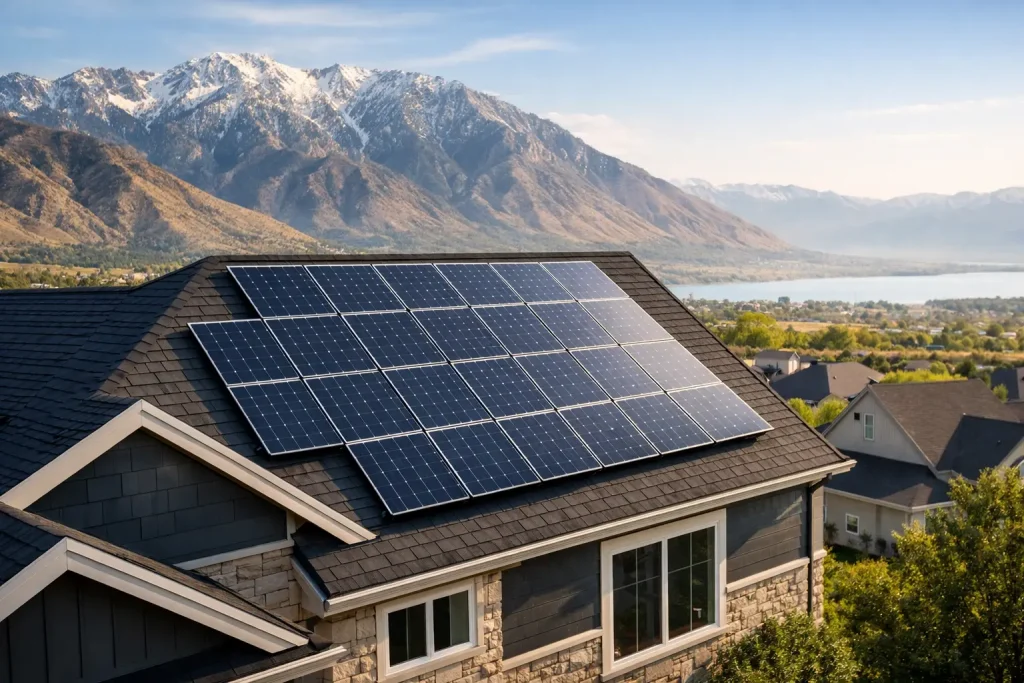
A solar quote can look appealing, but panels should never be the first thing considered. Solar panel roof compatibility determines whether your roof can safely support an installation, protect your home from water damage, and give you the long-term value you expect. For Utah homeowners, that means looking beyond sunlight to roof age, material, slope, structure, and exposure to snow, wind, and hail.
A good solar project starts with an honest roof assessment. If the roof is near the end of its useful life, repairing or replacing it before panels are installed can prevent an expensive removal and reinstallation later. The goal is simple: build a roofing and solar system that works together from day one.
What Solar Panel Roof Compatibility Really Means
Roof compatibility is not just a question of whether panels can physically fit on your home. Most roofs can hold some type of solar array, but the best installation depends on whether the roof is in good condition and whether its design can support secure, properly flashed mounting points.
A qualified contractor should inspect the visible roofing material, roof decking, framing, ventilation, drainage, and areas around chimneys, skylights, vents, and valleys. They should also consider the age of the roof. Solar panels often perform for 25 years or more. Installing them on an aging roof that may need replacement in five years usually creates unnecessary cost and disruption.
Compatibility also affects production. A roof may be structurally sound but shaded by mature trees, neighboring homes, chimneys, or roof features. Panels can still be possible, though the layout and expected energy output may change. A clear assessment gives you realistic numbers rather than a sales promise that ignores your roof’s limitations.
Which Roofing Materials Work Best With Solar Panels?
Solar systems can be installed on many common roofing materials, but each one requires the right mounting approach and an installer who understands the roof assembly underneath.
Asphalt Shingles
Asphalt shingles are the most common roofing material for Utah homes and are generally very compatible with solar panels. Mounting hardware is attached through the shingles and into the roof framing, then protected with flashing designed to direct water away from the penetration.
The key is the condition of the shingles. Curling, cracking, missing granules, active leaks, or soft decking are signs that roof work should come first. Proper flashing matters just as much as the panels themselves. A poorly sealed penetration can turn a solar upgrade into a water problem, especially after wind-driven rain or snowmelt.
Metal Roofing
Metal roofing is often an excellent choice for solar, particularly standing seam metal systems. In some cases, clamps can attach to the seams without penetrating the metal surface. That can reduce the number of roof penetrations and preserve the weather barrier.
Not every metal roof is the same. Corrugated and exposed-fastener panels may require different hardware and more careful waterproofing. The metal’s gauge, panel profile, age, and fastening condition all affect the recommended installation method.
Tile, Slate, and Specialty Roofs
Tile and slate can support solar panels, but they require extra care. Individual pieces can crack if installers walk or mount hardware incorrectly, and matching replacement materials can be difficult to find. These roofs are often better handled by a team with both roofing and solar experience, rather than a solar-only crew.
Wood shake and certain specialty materials may need a more detailed review due to fire ratings, material condition, and mounting requirements. Compatibility is possible in many cases, but it should not be assumed.
Low-Slope and Commercial Membrane Roofs
Commercial buildings with TPO, PVC, EPDM, or other membrane roofing systems may use ballasted, mechanically attached, or fully engineered solar mounting systems. Drainage and roof loading are especially important on low-slope roofs. Panels must not block scuppers, drains, or natural water flow.
A roof membrane with limited remaining life should be addressed before solar installation. Removing a large commercial array to replace a membrane can become a major expense, so coordinating both scopes of work upfront is usually the smarter approach.
Roof Age and Condition Come Before Solar
One of the most practical questions homeowners can ask is: Will this roof last as long as the solar system? The answer is not based on age alone. A 15-year-old roof may have plenty of service life left if it was well installed and maintained, while a younger roof with storm damage or poor ventilation may need attention sooner.
During an inspection, look for signs such as lifted or missing shingles, granule loss, sagging areas, stained ceilings, deteriorated flashing, and soft spots in the decking. In Utah, hail damage can be easy to miss from the ground. It may shorten the roof’s life even when there is no immediate leak.
If replacement is recommended, it is usually easier to install the new roof first and plan the panel layout around it. This also lets the roofing and solar teams coordinate penetrations, flashing details, and warranties. Big West Roofing can help homeowners evaluate roof condition before moving forward, so there are no surprises after panels are in place.
Structure, Slope, and Weather Exposure Matter
Solar panels add weight, and the mounting system transfers wind and snow forces into the roof structure. Most modern homes can support solar when designed correctly, but the framing must be evaluated. Older homes, homes with modified attics, and roofs with visible sagging may need a closer review or engineering input.
Roof slope affects both panel placement and maintenance. South-facing roof planes often provide strong production in Utah, but east- and west-facing arrays can still make financial sense depending on your energy use and utility rate structure. A steep roof may be productive but more complex and costly to work on. A low slope can allow flexible panel angles, but it needs a design that avoids water pooling and excessive wind uplift.
Utah weather deserves special attention. Snow can temporarily cover panels and add load to the roof. High winds require properly engineered attachments. Hail can damage roofing materials and, in severe events, solar equipment. A system should be planned with local conditions in mind, not copied from a design meant for a different climate.
Roof Features Can Change the Layout
Chimneys, skylights, plumbing vents, attic vents, valleys, and dormers do not automatically rule out solar. They do, however, influence where panels can go and how much usable roof area remains.
Installers need working space around roof features to make repairs and service equipment safely. Panels should not trap debris in valleys or interfere with ventilation. In some cases, moving a vent or choosing a different array layout may improve the design. In others, a smaller system is the more sensible choice.
This is why satellite images alone are not enough. They can estimate available roof space, but they cannot reveal worn shingles, weak decking, hidden storm damage, or the condition of flashing around a chimney.
Questions to Ask Before Approving a Solar Installation
Before signing a proposal, ask how the installer verified your roof condition and structural capacity. Ask whether roof penetrations will be flashed by roofing standards, who is responsible if a leak develops, and how the installation affects existing roof and solar warranties.
It is also wise to ask about panel removal if future roof work becomes necessary. Find out whether the quote includes that service, what it may cost later, and whether the company coordinates with a roofer. Clear answers now can prevent frustrating surprises years down the road.
If your roof has been through recent hail or wind, consider having it inspected before solar plans are finalized. An insurance-covered repair or replacement may need to happen first, and completing that work can give your solar system a stronger foundation.
A solar installation should make your home more efficient, not make future roof care harder. When the roof is sound, the mounting is properly engineered, and every penetration is protected, you can move forward with confidence knowing the system above your head is built to last.