
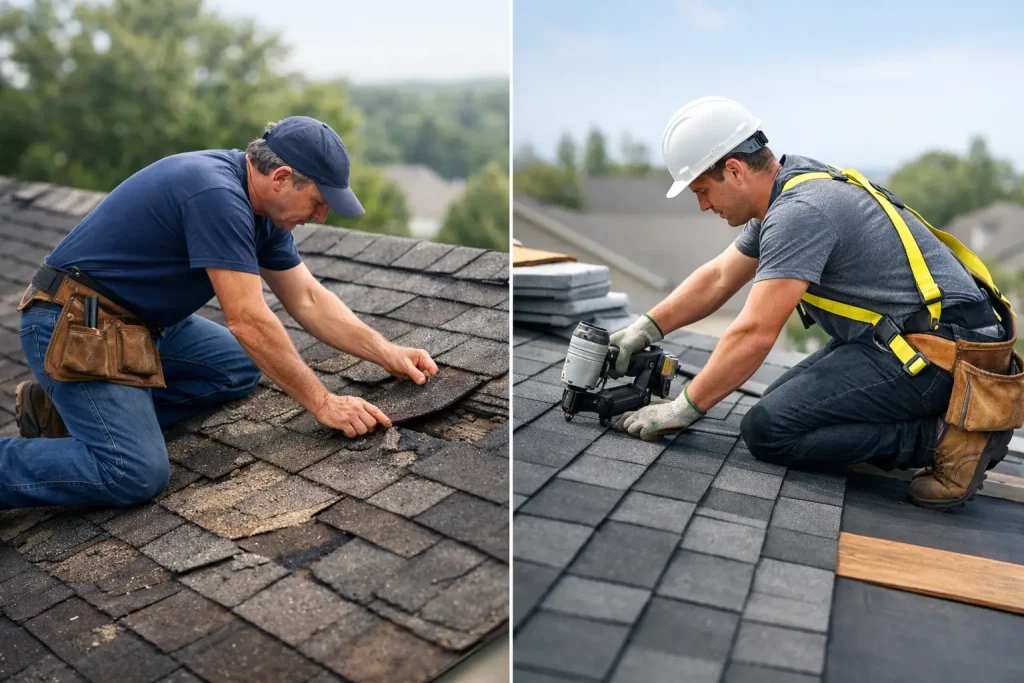
A small ceiling stain rarely stays small for long. In Utah, a roof can take a beating from snow, wind, sun, and hail, and what looks like a minor issue can turn into rotten decking, damaged insulation, and expensive interior repairs. That is why roof replacement is not just a construction project. It is a decision about protecting your home, your budget, and your peace of mind.
For many homeowners, the hardest part is knowing whether a roof really needs to be replaced or whether a repair will do the job. The answer depends on the age of the roof, the type of damage, the materials already in place, and how widespread the problem has become. A few missing shingles after a windstorm may be a repair. Repeated leaks, storm impact across multiple slopes, or widespread granule loss usually point in a different direction.
Big West Roofing is based out of Saratoga Springs, Utah and understands the unique weather conditions homeowners and businesses all over Utah face. With over 25 years of experience, we have a deep understanding of resident’s roofing needs. In this guide, you’ll learn exactly what to look for when considering a roof repair or full replacement.
When roof replacement makes more sense than repair
Repairs are often the right first step when damage is isolated. If a flashing section failed around a vent, or a handful of shingles blew off in one area, a skilled repair can extend the life of the roof without the cost of a full replacement. That is especially true when the rest of the system is still in good shape.
The equation changes when problems keep coming back. If you have patched leaks more than once, noticed shingles curling or cracking across large sections, or found soft spots in the roof deck, the roof may be at the end of its useful life. In those cases, another repair can feel cheaper in the moment but cost more over time.
Age matters too. Asphalt shingle roofs do not last forever, especially in climates with strong UV exposure and temperature swings. Even if an older roof is not actively leaking everywhere, materials can become brittle and less able to handle the next storm. A replacement before major failure can prevent emergency costs and interior damage.
Signs your home may need a roof replacement
Some warning signs are easy to spot from the ground. Others only show up during a close inspection. If your roof is showing one or more of these issues, it is worth getting it evaluated.
Shingles that are curling, cupping, or losing granules usually mean the material is wearing out. Dark streaks and discoloration can be cosmetic, but they can also point to aging or trapped moisture. Sagging areas are more serious and may indicate structural problems below the surface.
Inside the home, water stains on ceilings or walls are obvious red flags. So are musty attic smells, damp insulation, or daylight coming through the roof boards. High energy bills can also be part of the picture if poor ventilation or hidden roof damage is affecting your home’s efficiency.
After a hail or wind event, the safest move is to schedule a professional inspection, even if you do not see immediate leaks. Storm damage is not always visible from the driveway, and insurance timelines can matter.
What happens during the roof replacement process
Many homeowners expect roof replacement to be more disruptive than it actually is. When the project is planned well, it is a straightforward process with clear steps and communication.
It starts with an inspection and estimate. A contractor should look at the roofing material, flashing, ventilation, decking condition, and any visible storm damage. This is also the time to talk through material options, warranties, scheduling, and budget.
Once the project begins, the old roofing is removed so the roof deck can be inspected. This step matters because it reveals hidden issues that repairs alone can miss. If parts of the decking are damaged by moisture or rot, they need to be replaced before the new roof goes on.
Then the new system is installed. That includes underlayment, flashing, ventilation components, and the finished roofing material itself. A good roof is more than shingles or metal panels. It is a full system designed to shed water, handle weather, and protect the home for years.
Cleanup and final review should be part of the job, not an afterthought. Homeowners should know what was installed, what warranty coverage applies, and what to expect for long-term maintenance.
Choosing the right material for a roof replacement
Not every home needs the same roofing system. The right choice depends on budget, design, long-term plans, and local weather conditions.
Asphalt shingles remain a popular option because they are cost-effective, dependable, and available in a wide range of styles. For many homeowners, they offer the best balance of price and performance.
Metal roofing can cost more upfront, but it offers excellent durability and can be a strong choice in areas with heavy weather exposure. Some property owners choose metal because they want a longer-lasting option with a distinctive look.
For low-slope or commercial applications, membrane systems may be the better fit. The key is choosing a material that matches the roof design and the demands of the property, not just the lowest initial price.
This is one area where clear guidance matters. A trustworthy contractor should explain the trade-offs honestly. The most expensive option is not always necessary, and the cheapest option is not always the most affordable once repairs and lifespan are factored in.
Cost, financing, and the real value of replacing a roof
Roof replacement is a major investment, and homeowners should expect honest pricing and a clear scope of work. Costs vary based on roof size, pitch, material, tear-off complexity, and whether underlying decking needs repair. That is why a real inspection matters more than ballpark guesses.
It also helps to look beyond the install price alone. A new roof can reduce the chance of repeated leak repairs, improve curb appeal, and protect home value. If the old roof is causing moisture issues or poor ventilation, replacement may also improve comfort and energy performance.
For some families, timing is the hardest part. A roof problem does not always show up when it is convenient. Financing options can help make the project manageable without forcing homeowners to delay work that protects the house.
If storm damage is involved, insurance may also play a role. That process can feel stressful, especially if you are already dealing with leaks or visible damage. A contractor experienced with documenting roof conditions and helping homeowners understand the claim process can make things much easier.
Why local experience matters for roof replacement
Roofing is not one-size-fits-all, especially in Utah. Snow load, freeze-thaw cycles, summer heat, and hail all affect how roofing systems perform over time. A local contractor understands those conditions and knows which materials and installation details hold up best.
Local service also matters when you need fast follow-up. If a problem shows up after a storm or you have questions after the install, it helps to work with a team that is nearby, responsive, and accountable to the community. That is one reason many homeowners choose a family-run company like Big West Roofing. The work is personal because the reputation is local.
A strong contractor relationship should feel simple. You should get straightforward answers, a fair estimate, realistic timelines, and workmanship you can trust. If a company is hard to reach before the job starts, that is usually not a good sign for what happens after.
How to prepare for a roof replacement project
Once you decide to move forward, a little preparation can make the process easier. Move vehicles out of the driveway if needed, secure fragile wall items inside the house, and make plans for children or pets who may be sensitive to noise. If you have attic storage, it is smart to cover belongings in case dust shakes loose during tear-off.
It also helps to ask a few practical questions ahead of time. How long is the project expected to take? Will there be a dumpster on site? What happens if bad weather causes delays? Good communication before work begins usually leads to a smoother experience during the project.
Most of all, do not wait for a small issue to become a major one. A roof does not have to be caving in to justify action. If your roof is aging, leaking, or showing signs of storm damage, getting it inspected now can give you better options, better timing, and fewer surprises later.
The right roof replacement should leave you feeling more secure, not more stressed. When the work is done well, you stop wondering if the next storm will find a weak spot, and you get back to enjoying the home you worked hard to build.