
A small ceiling stain has a way of changing your whole day. One minute everything feels normal, and the next you are wondering how long the leak has been there, what else has been damaged, and how expensive this is about to get. That is why roof repair matters so much. The sooner a problem is found and fixed, the better your chances of avoiding bigger structural damage, insulation issues, mold, and interior repairs.
In Utah, roofs take a beating. Strong sun, snow, freeze-thaw cycles, high winds, and hail can all shorten the life of roofing materials or damage weak spots that were already close to failing. For homeowners, the challenge is not just fixing what is broken. It is knowing when a repair is enough, when the damage is urgent, and when it makes more sense to plan for replacement instead.
When roof repair should move to the top of your list
Some roofing problems are obvious. Missing shingles after a windstorm, water dripping into an attic, or metal flashing pulled loose around a chimney are all clear signs you need help fast. Other issues are quieter. Granules collecting in gutters, dark streaks, damp insulation, or a musty smell in an upper room can point to a roofing problem before water ever shows on the ceiling.
Timing matters more than many homeowners realize. A small opening in a roof system rarely stays small for long. Water follows gravity, but it also travels sideways, seeps into decking, and finds pathways around vents, skylights, and valleys. By the time you see the symptom indoors, the source may be several feet away.
That is one reason a professional inspection is so valuable. Roof systems are layered, and the visible surface is only part of the story. A repair decision should account for the shingles or membrane, the flashing, the underlayment, the ventilation, and the condition of the deck beneath it.
Common roof repair issues in Utah homes
Not every repair looks the same because not every roof fails the same way. Asphalt shingle roofs often develop problems from wind lift, hail impact, aging seal strips, and flashing wear around penetrations. On low-slope or commercial-style systems, membrane punctures, seam separation, and drainage issues are more common.
Storm damage gets the most attention, but age is often part of the picture. A roof that has handled years of weather may only need one bad season to expose weak areas. That does not always mean the whole roof is done. It means the repair has to be approached honestly.
The most common situations homeowners run into include damaged or missing shingles, pipe boot failures, loose ridge cap shingles, flashing damage, sagging sections caused by trapped moisture, and leaks around chimneys or vents. Ice and snow can also create trouble in winter, especially when ventilation and insulation are not balanced well. In those cases, the repair may need to address both the leak and the conditions that caused it.
Repair or replacement? It depends on the roof
This is usually the biggest question, and the right answer depends on age, extent of damage, and long-term value. If a roof is relatively new and the damage is isolated, roof repair is often the smart move. Replacing a few shingles, resealing flashing, or fixing a storm-damaged section can restore performance without the cost of a full replacement.
If the roof is near the end of its service life, though, repeated repairs can start to feel like throwing money at a system that is already worn out. A patch may stop the leak today, but if other areas are brittle, curling, or losing granules, another problem may not be far behind.
There is also a middle ground. Sometimes a homeowner does need a repair now to stop active damage, while also planning for replacement in the near future. That kind of conversation should be straightforward. You deserve to know whether a repair is a durable solution or simply the most practical short-term step.
What a good roof repair process looks like
A quality repair starts with a real inspection, not a guess from the ground. The goal is to identify the source of the problem, the full extent of the damage, and any related issues that could affect the repair. If water has entered the roof system, the inspection should consider decking, underlayment, and attic conditions too.
From there, the next step is a clear explanation. Homeowners should understand what failed, why it failed, what will be repaired, and whether the fix matches the age and condition of the roof. Good contractors do not hide behind jargon. They explain the work in plain language and give you realistic expectations.
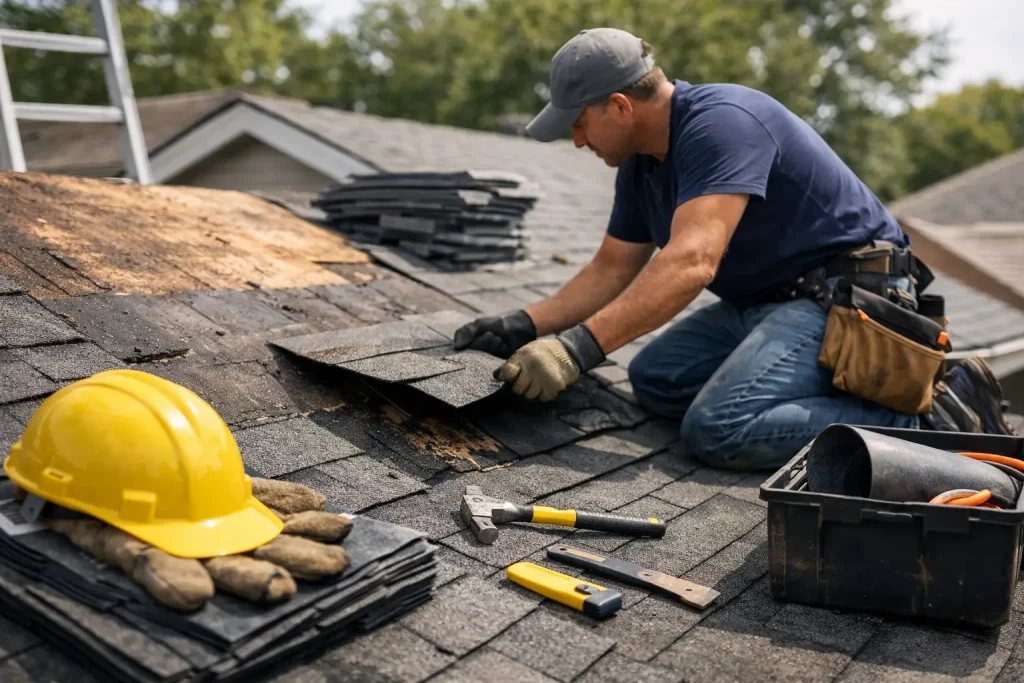
The repair itself should focus on restoring the roof system, not just covering the symptom. That may mean replacing damaged materials, resealing or replacing flashing, addressing ventilation-related issues, and checking nearby areas that may be vulnerable. If the roof has storm damage, documentation also matters, especially if an insurance claim may be involved.
For many Utah homeowners, fast response is part of the value. When a roof leak is active or storm damage has exposed the home, waiting days for a callback is frustrating and risky. Working with a local contractor who understands the weather patterns in this area and can respond quickly makes a real difference.
Cost matters, but so does the quality of the fix
Roof repair cost depends on several things: the roofing material, how accessible the damaged area is, whether water has affected deeper layers, and whether matching materials are available. A simple shingle repair is very different from repairing storm damage across multiple roof sections or tracing a leak that has traveled under the surface.
The cheapest option is not always the most affordable one over time. Poor workmanship can lead to repeat leaks, damaged decking, and interior repairs that cost far more than doing the job right the first time. On the other hand, not every issue calls for a major project. Honest contractors know the difference.
That is why pricing should come with context. Homeowners need to know what they are paying for, how long the repair is expected to last, and whether there are signs that bigger work may be needed later. Fair pricing is not about being the lowest number. It is about receiving skilled work, good communication, and a repair that actually solves the problem.
Insurance, storm damage, and what homeowners often miss
After hail or wind events, some roof damage is easy to spot and some is not. Bruising from hail can shorten the life of shingles even if there is no immediate leak. Wind can break the seal on shingles without tearing them off right away. That means damage may exist before the homeowner sees any visible interior signs.
If a storm has moved through your area, an inspection is a smart next step even if the roof looks mostly fine from the driveway. Catching damage early can help you avoid additional deterioration and gives you a clearer picture if an insurance claim is worth pursuing.
This is where local experience matters. A contractor who regularly handles storm and hail damage can document conditions properly, explain what is cosmetic versus functional, and help homeowners understand the claims process without making promises that should not be made. Big West Roofing has built trust with local homeowners by pairing that kind of practical guidance with fast inspections and straightforward communication.
How to protect your home after the repair
A repaired roof still needs attention over time. That does not mean constant worry. It means being proactive. Seasonal inspections, especially after major storms or before winter, can catch small issues before they become expensive ones. Keeping gutters clear, watching for changes in attic moisture, and paying attention to missing shingles or debris buildup all help extend roof life.
It is also worth remembering that the roof works together with siding, soffit, fascia, and gutters. Water management is a system. If one part is failing, it can affect the others. Sometimes the best way to protect the roof is to correct an exterior drainage or ventilation issue that keeps putting stress on it.
Homeowners are often relieved to learn that not every roofing problem means replacement. Many issues can be handled with a timely, professional repair. The key is not waiting until a minor problem turns into damage you can no longer ignore.
If something looks off, sounds different in a windstorm, or leaves you second-guessing after heavy rain, trust that instinct and get it checked. A roof does not need to be collapsing to deserve attention, and a quick response now can save you a much bigger headache later.