
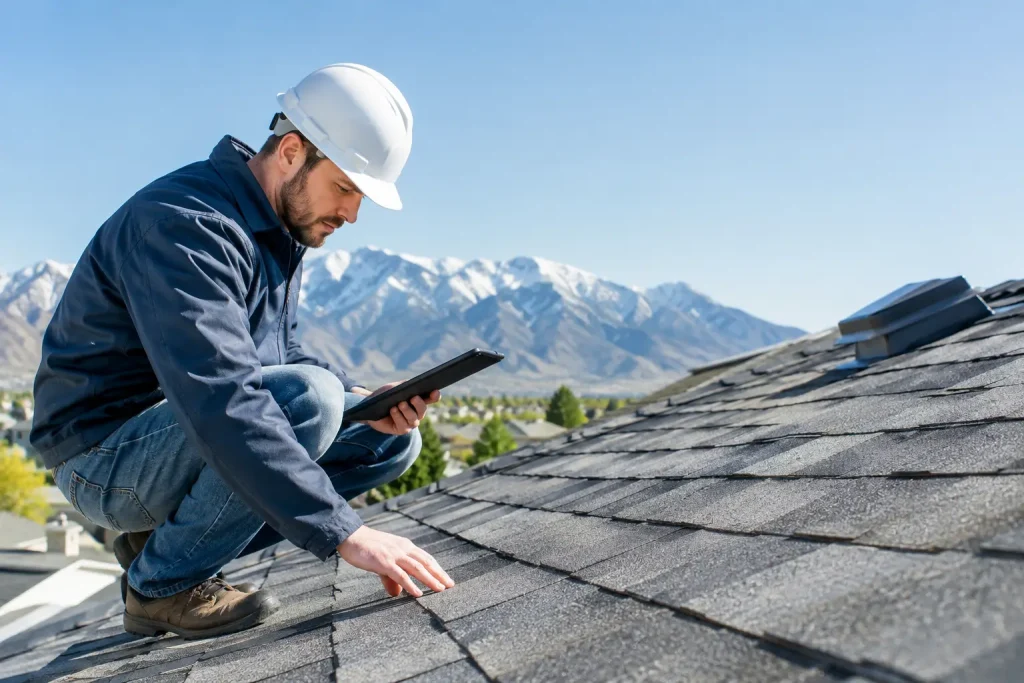
A small water spot on the ceiling, a few shingles in the yard, or a recent hailstorm can leave homeowners wondering whether they need professional help – and what that help will cost. Roof inspection cost depends on the purpose of the inspection, the roof’s size and condition, and whether a detailed report is needed. The good news is that many inspections for suspected damage or repair needs are available at no charge from a trusted local roofing contractor.
For Utah homeowners, an inspection is often the fastest way to replace uncertainty with clear answers. It can identify a minor repair before it turns into a leak, document storm damage for an insurance claim, or help you plan ahead for an aging roof.
What Is the Average Roof Inspection Cost?
A professional roof inspection commonly costs about $150 to $400. A larger, steeper, or hard-to-access roof can cost more. Inspections that require a written certification, specialized testing, drone imaging, or a detailed report for a real estate transaction may also fall on the higher end of that range.
That said, the price is not always the most useful number to focus on. If you have noticed a leak, missing shingles, wind damage, or hail impact, many roofing contractors will inspect the roof for free as part of providing a repair or replacement estimate. At Big West Roofing, free roof inspections help homeowners understand the condition of their roof without adding another expense to an already stressful situation.
A free inspection is generally intended to assess repair needs and provide an estimate. If you need a formal certification for a home sale, lender, warranty, legal matter, or insurance documentation, ask upfront whether there is a separate fee and what the report includes.
What Changes the Roof Inspection Cost?
No two roofs are exactly alike. The inspection itself may take 30 minutes on a simple, accessible roof or several hours when the property is large, the roof is complex, or damage needs closer evaluation.
Roof size, pitch, and accessibility
A one-story home with a straightforward asphalt shingle roof is usually easier to inspect than a two-story home with multiple levels, steep slopes, skylights, solar panels, or limited access. More complex roofs require additional safety measures and time. A contractor may inspect from the roof, the attic, the ground, and with aerial imagery depending on what is safe and necessary.
Roofing material and roof condition
Shingle roofs are familiar to most roofing professionals, but metal, tile, membrane, and low-slope commercial roofs can require different inspection methods. An older roof with visible wear may also need a more thorough review of flashing, penetrations, vents, drainage, and underlying decking.
The goal is not simply to spot a damaged shingle. A good inspection looks at how the entire roof system is performing and whether water has a path inside.
Reason for the inspection
A homeowner checking on a roof after a windstorm has different needs than a buyer requesting a formal roof certification. A storm-related inspection may focus on hail strikes, lifted shingles, damaged vents, and other sudden issues. A maintenance inspection may look for gradual aging, granule loss, cracked sealant, and drainage concerns.
Insurance-related inspections can take more time because clear photos, damage documentation, and a careful explanation of repair needs matter. While insurance may cover qualifying storm damage, it does not automatically cover wear from age or lack of maintenance. A roofing professional can help you understand what they see and what information may be useful when speaking with your insurance company.
When a Free Roof Inspection Makes Sense
A no-cost inspection is especially helpful when there is a clear reason to believe the roof may need repair or replacement. Homeowners should not wait for water to drip from the ceiling before calling. By that point, moisture may have already affected insulation, drywall, or framing.
Consider scheduling an inspection if you notice any of these concerns:
- Missing, cracked, curled, or lifted shingles
- Granules collecting in gutters or near downspouts
- Water stains in the attic or on interior ceilings
- Bent flashing, damaged vents, or loose gutter sections
- Hail, strong winds, or fallen branches after a storm
- A roof nearing the end of its expected service life
In Utah, weather can be hard on a roof. Intense sun, heavy snow, freezing and thawing cycles, wind, and hail all put pressure on shingles, flashing, gutters, and ventilation. A quick professional assessment after severe weather can help you make a timely repair before a small opening grows into a bigger problem.
What a Professional Inspection Should Include
An inspection should give you more than a quick look from the driveway. The contractor should evaluate visible roofing materials, vulnerable details around chimneys and vents, flashing, ridge caps, valleys, gutters, and signs of moisture intrusion. When accessible, the attic can provide valuable clues about leaks, ventilation, insulation conditions, and wood damage.
You should also receive a straightforward explanation of the findings. If repairs are recommended, ask what is urgent, what can be monitored, and what the repair is intended to solve. Honest advice matters because not every worn-looking roof needs immediate replacement. Sometimes a targeted repair, flashing correction, or gutter adjustment can extend the roof’s life. Other times, repeated repairs on an aging roof are less cost-effective than replacement.
Photos are useful because they let you see the issue without climbing onto the roof yourself. Never try to inspect a steep, icy, wet, or damaged roof on your own. Falls are a serious risk, and walking in the wrong area can cause additional damage.
Is Paying for an Inspection Worth It?
It depends on why you need it. If you need a certified written opinion for a real estate transaction or want an independent, detailed evaluation of a roof you do not plan to repair immediately, a paid inspection can be worthwhile. The documentation may help you negotiate repairs, budget accurately, or make a confident purchase decision.
For most homeowners with a suspected roofing issue, a free inspection and estimate from a qualified local contractor is the practical first step. It gives you a professional assessment, lets you understand your options, and helps you avoid paying for work that may not be necessary.
Be cautious with anyone who pressures you to sign paperwork before explaining the findings, promises insurance approval, or refuses to show evidence of the damage. A dependable contractor will explain the condition of your roof in plain language, answer questions, and provide pricing before work begins.
How to Keep Future Roofing Costs Lower
Inspections are most valuable when they lead to timely maintenance. Keep gutters clear so water can drain correctly, trim branches away from the roof, and address loose flashing or small leaks promptly. If your home has older siding, fascia, soffit, or gutters, remember that these exterior components work alongside the roof to manage water and protect the structure.
An annual visual check from the ground and a professional inspection after major storms can help you catch issues early. This does not mean every roof needs a major project after every storm. It means you will have facts before deciding what to do next.
If something about your roof does not look right, a clear inspection is often the least expensive place to start. A local roofing professional can help you understand whether you need a simple repair, insurance guidance, or just peace of mind before the next Utah storm rolls through.