
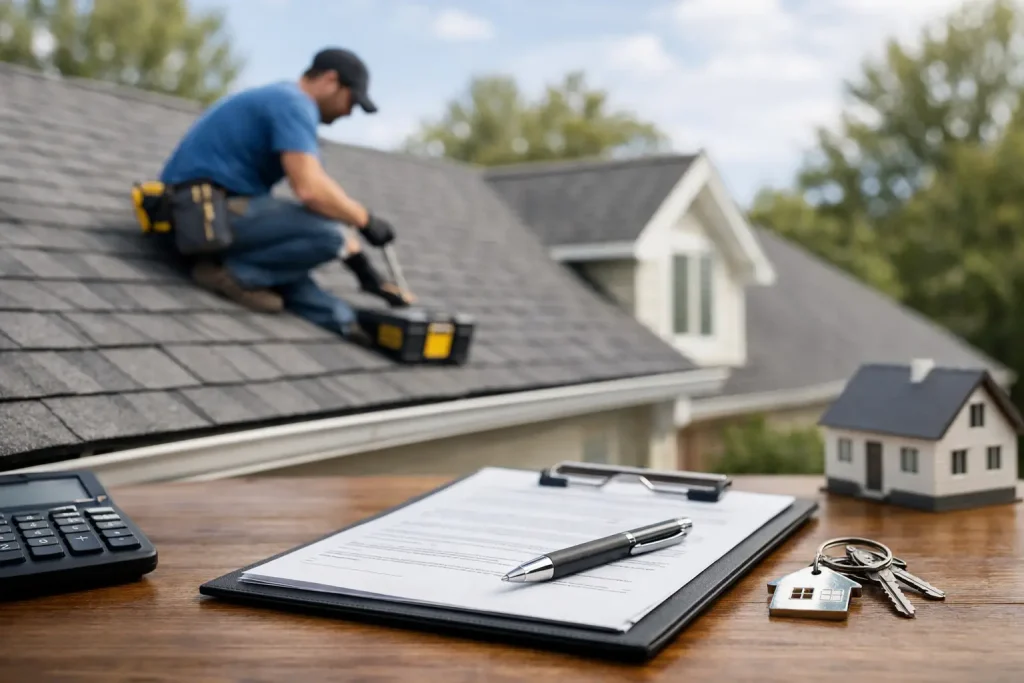
A roof leak rarely shows up at a convenient time. It usually starts after a windstorm, a heavy snow, or a hail event, and the first question many homeowners ask is simple: does homeowners insurance cover roofs? The short answer is yes, sometimes. The real answer depends on how the damage happened, how old the roof is, and what your policy actually says.
For homeowners in Utah, that difference matters. Weather can be hard on roofing systems here, from hail and high winds to ice, snow load, and intense summer sun. If you are trying to figure out whether your policy will help pay for a repair or replacement, it helps to know what insurance companies usually cover, what they often deny, and where homeowners get tripped up.
When does homeowners insurance cover roofs?
Homeowners insurance usually covers roof damage when the cause is sudden, accidental, and tied to a covered peril. In plain terms, that means the damage happened because of an event your policy protects against, not because the roof simply got old or worn out over time.
A few common examples include hail damage, wind damage, falling tree limbs, fire, or damage from the weight of ice and snow if your policy includes those events. If a storm tears shingles off your roof or hail leaves bruising that shortens the life of the system, there is a good chance your insurer will at least review the claim as potentially covered.
What insurance does not usually cover is neglect. If the roof has been deteriorating for years, if flashing was never maintained, or if an old leak was ignored until decking and insulation were damaged, the claim may be denied. Insurance is designed for sudden loss, not delayed upkeep.
That is why documentation matters so much. A roof that was in good condition before a storm is in a stronger position than a roof with obvious age-related issues that had not been addressed.
What types of roof damage are commonly covered?
The answer depends on the policy, but most standard homeowners insurance policies are built around named perils or open perils with exclusions. In either case, insurers are looking closely at the cause of loss.
Storm and hail damage
This is one of the most common reasons people file roof claims in Utah. Hail can crack shingles, loosen granules, dent metal roofing, and damage vents, flashing, and gutters. Wind can crease shingles, lift edges, or blow sections of roofing off entirely. If the damage is tied to a specific weather event, it is often considered insurable.
Falling objects
If a healthy tree limb falls during a storm and damages the roof, the repair may be covered. The damage to the roof is usually the key issue. If the tree was dead and clearly neglected, the insurance company may look more critically at the claim.
Fire and smoke
Fire damage is typically covered under standard homeowners insurance. That includes structural roof damage caused by the fire itself and, in many cases, related damage from smoke or firefighting efforts.
Weight of snow or ice
Some policies cover damage caused by the weight of snow or ice. This can be especially relevant during severe winter conditions. Still, insurers may ask whether the roof was structurally sound before the event, so prior condition matters here too.
What roof damage is usually not covered?
This is the part homeowners often do not hear until they are already in the claims process. A policy may protect against storms, but it does not automatically cover every roof problem.
Old age is one of the biggest exclusions in practice. Roofs wear out. Shingles lose granules, sealants break down, and underlayment eventually reaches the end of its life. Insurance companies generally consider that normal aging, not a covered event.
Poor maintenance is another common issue. If clogged gutters caused water backup, if damaged shingles were left unrepaired, or if a small leak was ignored until it became major interior damage, the insurer may deny part or all of the claim.
Faulty installation can also create problems. If the damage happened because the roof was improperly installed or repaired, the insurance carrier may point to workmanship rather than a covered peril. This is one reason choosing a qualified local contractor matters from the start.
Cosmetic damage is another gray area. Some policies will cover functional damage but not pay for dents or marks that do not affect performance. That comes up often with metal roofs after hail.
Roof age can change how much insurance pays
Even when homeowners insurance covers roofs, the age of the roof can affect the payout. Many homeowners assume approval means full replacement cost. That is not always how it works.
Some policies pay replacement cost value, which generally means the insurer pays what it costs to repair or replace the damaged portion, minus your deductible, as long as policy terms are met. Other policies pay actual cash value, which factors in depreciation. If your roof is older, depreciation can significantly reduce what you receive.
For example, a newer roof damaged in a hailstorm may qualify for a stronger payout than a 20-year-old roof with visible wear. The older roof may still be covered, but the check can be smaller because the insurer views much of the roof’s value as already used up.
This is where reading the declarations page and endorsements on your policy matters. Many homeowners do not realize how roof settlement is handled until they are facing a claim.
How the claims process usually works
If you suspect storm damage, the first step is to document what you can safely see. Take photos of missing shingles, debris, ceiling stains, water entry, or visible exterior damage. If there was a major weather event, note the date.
Next, contact your insurance company to report the loss. They will open a claim and usually schedule an adjuster inspection. In many cases, homeowners also ask a roofing contractor to inspect the property so they have a clear picture of the damage before or during that process.
A good contractor is not there to make the decision for the insurance company, but they can help identify storm-related damage, explain what is repairable versus what may require replacement, and provide the documentation needed to support the claim. If there are discrepancies between what the adjuster sees and what is actually on the roof, clear photos and a detailed inspection can make a difference.
That support is especially helpful when damage is obvious to a trained eye but less visible from the ground. Hail bruising, lifted shingles, punctures, flashing damage, and soft spots are not always easy for a homeowner to spot.
Why claims get delayed or denied
Not every denied claim means the insurance company is acting unfairly. Sometimes the issue is timing, documentation, or policy language.
Late reporting is one problem. If a storm hit months ago and there is now interior leaking, the insurer may argue the delay made it harder to confirm the cause. Another issue is pre-existing damage. If the roof already had wear, brittle shingles, or old repairs, the adjuster may separate that from new storm damage.
There are also cases where the damage is real but falls below the deductible. If your deductible is high, a smaller repair may not result in much insurance payment even if the claim is technically approved.
This is why homeowners do best when they move quickly, keep records, and get an honest inspection. A straightforward assessment can save time and prevent false expectations.
Does homeowners insurance cover roofs in full?
Sometimes, but not always. Full coverage usually depends on the extent of damage, your deductible, your roof’s age, local building code requirements, and whether your policy pays replacement cost or actual cash value.
There is also the question of matching. If one slope is damaged but the rest of the roof is older and weathered, the insurer may approve only the affected area. In some cases, local code or product availability can influence whether a partial repair is practical. That creates real frustration for homeowners who do not want a patched-looking roof or a system with uneven aging.
This is where local experience matters. A contractor who understands Utah weather, local code considerations, and the insurance process can help explain what is realistic and what questions to ask before you approve repairs.
At Big West Roofing, one of the most helpful conversations we have with homeowners is not about selling a roof. It is about helping them understand whether the damage looks like a maintenance issue, a repair issue, or an insurance issue.
What homeowners should do before filing a claim
Before filing, it helps to pause for a moment and get clear on the situation. If the damage is minor, the repair cost may be close to or below your deductible. In that case, filing a claim may not give you much benefit.
You should also review your policy if possible. Look for deductible amounts, roof coverage terms, and whether the policy uses replacement cost or actual cash value. Then get a professional roof inspection from a contractor who will give you a clear, honest assessment.
The goal is not to force a claim. The goal is to understand your roof’s condition and make the right call for your home, your budget, and your long-term protection.
If you are looking at missing shingles after a windstorm, hail marks after severe weather, or water spots that appeared after snow and ice, do not guess from the driveway. A good inspection can tell you whether you are dealing with storm damage, wear and tear, or a smaller repair that should be handled before it gets worse.
Your roof does not need a dramatic emergency to deserve attention. Sometimes the smartest move is simply getting answers early, while your options are still open.