
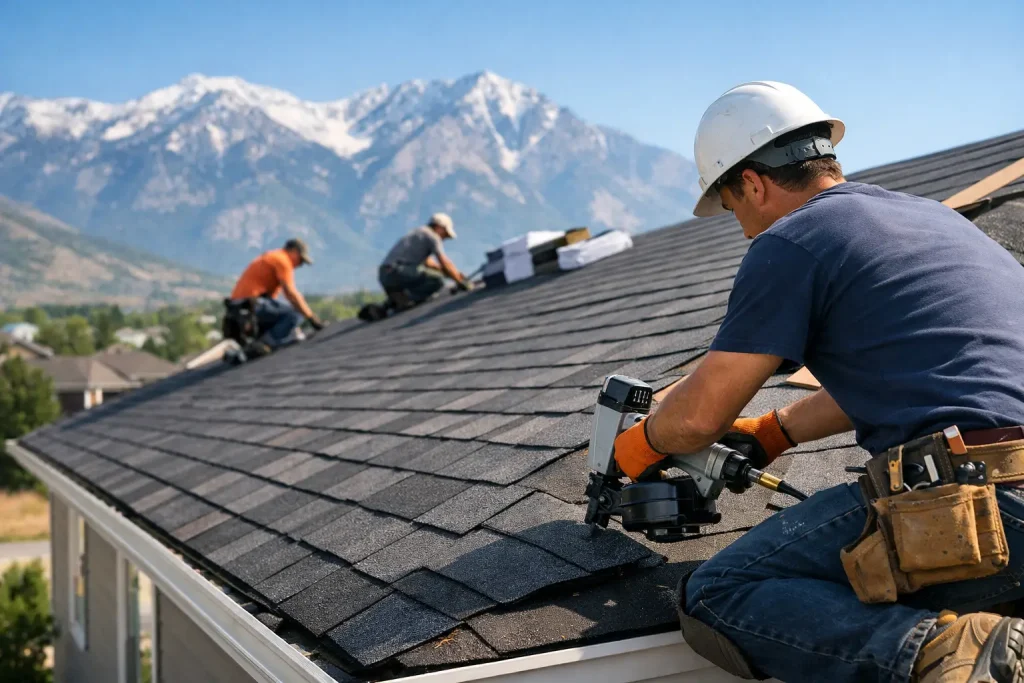
A new roof is not a cosmetic upgrade you can put off once leaks, missing shingles, or storm damage start showing up. It is the system that protects your family, insulation, attic, and everything beneath it. This new roof installation guide gives Utah homeowners a clear look at what to expect, what choices matter most, and how to move forward without second-guessing the process.
Start With a Professional Roof Inspection
Before choosing shingles or comparing quotes, find out what your roof actually needs. A roof that looks worn from the street may only need targeted repairs. On the other hand, a few missing shingles can be a sign that the underlayment, decking, flashing, or ventilation system has reached the end of its useful life.
A thorough inspection should look beyond the surface. Your contractor should check for soft or damaged decking, water staining in the attic, worn pipe boots, failed flashing around chimneys and walls, clogged ventilation, and storm damage caused by wind or hail. In Utah, intense sun, winter snow, freeze-thaw cycles, and high winds can all shorten a roof’s lifespan.
This inspection is also the right time to discuss your priorities. Some homeowners need the most practical replacement within a set budget. Others are planning to stay in the home for decades and want a higher-performance material. There is no one right roofing system for every property, but there should be a clear reason behind every recommendation.
Choose a Roof Material That Fits Your Home
The best roof material depends on your budget, the design of your home, local weather exposure, and how long you plan to own the property. Cost matters, but the lowest initial price is not always the best value if it means sacrificing durability or proper installation.
Asphalt Shingles
Architectural asphalt shingles remain a popular choice for Utah homes because they offer dependable protection, attractive color options, and a reasonable price point. They work well on many roof styles and can be replaced efficiently when installed by an experienced crew.
Shingle quality varies, so ask about the product line, wind rating, impact resistance, and manufacturer warranty. If your neighborhood regularly sees hail or strong winds, a more durable shingle may be worth considering.
Metal Roofing
Metal roofing can be an excellent long-term option for homeowners who want durability, snow-shedding performance, and a distinctive appearance. It typically costs more upfront than asphalt shingles, but it can offer a longer service life when properly installed.
The details matter with metal. Fasteners, flashing, underlayment, panel layout, and attic ventilation all affect performance. It is a strong option for many homes, but it needs to fit the structure and be installed by a contractor familiar with the system.
Low-Slope and Commercial Roofing
Homes with low-slope sections, as well as commercial buildings, often need membrane roofing rather than standard shingles. These systems are designed to manage water differently and require careful attention to drainage, seams, penetrations, and edge details. A roofing contractor should evaluate each roof section rather than treating the whole building as if it has the same needs.
Understand What a Full Roof Installation Includes
A trustworthy proposal should explain more than the cost of shingles. Roofing is a layered system, and every layer has a job to do when rain, snow, wind, and heat hit your home.
A complete installation commonly includes removal of the existing roofing material, inspection of the roof deck, replacement of damaged decking when needed, proper underlayment, ice and water protection in vulnerable areas, new flashing, ventilation components, the selected roofing material, and site cleanup. Gutters, fascia, soffit, siding, skylights, and solar panels may also need to be considered before work begins.
Do not assume that two estimates cover the same scope because their total prices look similar. One quote may include tear-off and full flashing replacement, while another may not. Ask what is included, what could create an additional cost, and how the contractor will communicate if hidden damage is found after the old roof is removed.
Plan Your Budget Without Cutting the Wrong Corners
A roof replacement is a major home expense, and clear pricing matters. The final cost can be affected by roof size, pitch, number of layers being removed, material choice, chimney and skylight details, decking repairs, ventilation upgrades, and access to the property.
It can be tempting to reduce the price by keeping old flashing, skipping ventilation improvements, or choosing a contractor based only on the lowest bid. Those shortcuts can lead to leaks, premature wear, and repair costs that erase the original savings. A fair estimate should help you understand where your money is going and where you have options.
If storm damage is part of the reason for replacement, document the visible issues and review your homeowners insurance policy. Insurance coverage depends on the policy, the cause of damage, and the adjuster’s findings. A contractor can help identify damage and provide documentation, but they should never promise a claim outcome they cannot control. Financing can also help homeowners choose a durable solution while keeping monthly costs manageable.
New Roof Installation Guide: What Happens on Installation Day
Knowing the process ahead of time helps make installation day less disruptive. Your roofing crew should give you a schedule, explain where vehicles and materials will be placed, and let you know how to prepare the property.
Move vehicles away from the driveway and garage, secure patio furniture and fragile outdoor items, and keep children and pets away from active work areas. Roofing is noisy, and vibrations can travel through the home while old material is removed. If you work from home or have sensitive pets, plan accordingly.
The crew will protect landscaping and exterior areas as much as possible, remove the old roof, inspect the deck, install the new system, and clean the site. A careful contractor uses magnets to collect stray nails and walks the property after the work is complete. Weather can affect the schedule, especially during Utah’s winter storms or periods of high wind, but quality work should never be rushed just to meet a date.
Pay Close Attention to Ventilation and Flashing
Two parts of a roof are often overlooked because they are not the most visible: ventilation and flashing. Both can make the difference between a roof that performs for years and one that develops problems early.
Proper attic ventilation helps manage heat and moisture. Without it, hot attic air can stress shingles in summer, while trapped moisture can contribute to condensation and wood deterioration in colder months. The right solution depends on your attic layout, insulation, intake vents, and exhaust vents. More vents are not automatically better if they are not balanced or correctly positioned.
Flashing directs water away from vulnerable areas around chimneys, valleys, skylights, walls, and plumbing penetrations. These details deserve careful workmanship. If a contractor is not willing to explain how they handle flashing, ask more questions before signing an agreement.
Review the Warranty and Final Walkthrough
A new roof may come with both a manufacturer warranty for materials and a workmanship warranty from the installer. They cover different things, and homeowners should understand the terms before the project begins. Ask what maintenance is expected, whether registration is required, and what could affect coverage.
At the final walkthrough, review the completed roof with your contractor. Confirm that debris has been removed, gutters are clear, vents and flashing are properly installed, and your questions have been answered. Keep copies of the contract, product information, warranty documents, and final invoice in a safe place. These records can be useful for future maintenance, insurance questions, and home resale.
A roof should give you confidence when the next Utah storm rolls in, not another item to worry about. Big West Roofing helps homeowners make informed decisions with straightforward inspections, clear options, and workmanship built to protect the place you call home.