
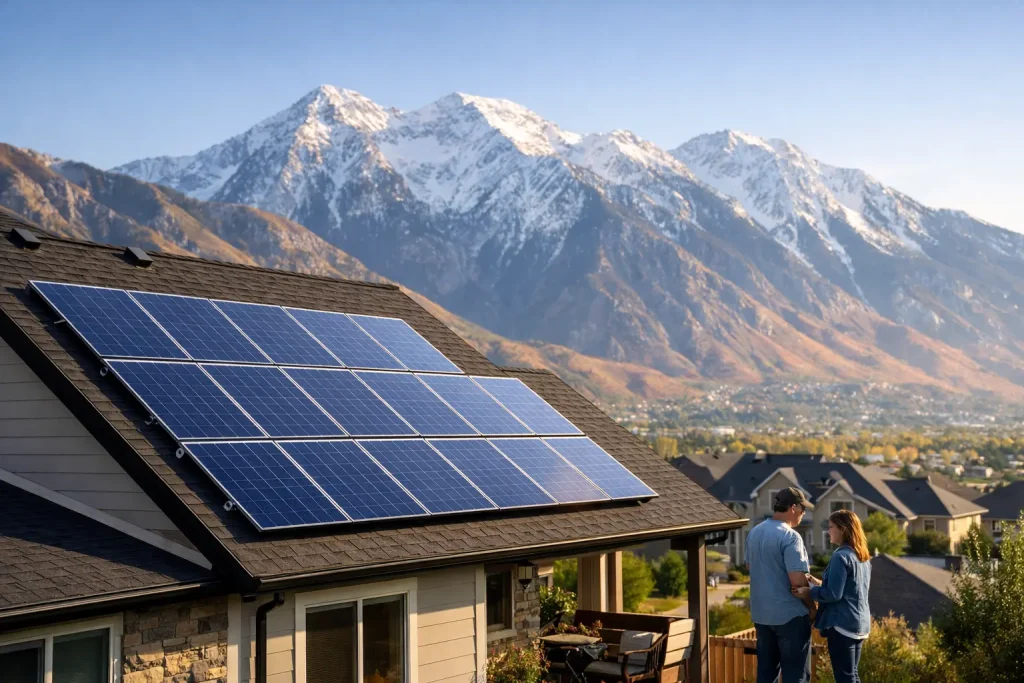
A lot of homeowners start looking at solar after opening a summer power bill and thinking, there has to be a better way. That instinct makes sense in Utah, where strong sun and rising energy costs make solar a practical option for many homes. But the best results usually come from asking the right questions before installation, not after.
Solar can absolutely lower long-term energy costs and add value to your property. At the same time, it is not a one-size-fits-all upgrade. Your roof condition, the age of your home, how much shade you have, and even how long you plan to stay in the house all play a role in whether solar is the right move now or later.
Why solar makes sense in Utah
Utah gives homeowners a big advantage when it comes to solar production. We get plenty of sunshine, and that creates a strong opportunity to offset monthly utility costs over time. For families trying to control household expenses, that can be a major benefit.
There is also a home protection angle that people sometimes overlook. When a solar project is planned correctly, it forces a closer look at the roof itself. That matters because adding panels to an aging or damaged roof can create avoidable problems down the line. A good solar decision starts with the structure underneath it.
For many homeowners, the appeal is a mix of savings, predictability, and long-term planning. Instead of being fully exposed to future rate increases, you gain more control over how your home uses energy. That is especially attractive if you expect to stay in your home for several years.
Your roof comes first
Before talking about panel size or estimated savings, it is smart to look at roof condition. If your roof is near the end of its life, adding solar now may cost you more later. Removing panels so a roof can be replaced is an extra step, and it is one most homeowners would rather avoid.
A strong roof and a strong solar system should work together. If shingles are worn, flashing is failing, or storm damage is already present, those issues should be addressed first. The same goes for homes that have had hail or wind damage, which is a real concern in many Utah neighborhoods.
This is one reason homeowners benefit from working with contractors who understand both roofing and solar. It helps you avoid the headache of separate companies pointing fingers at each other if a problem comes up later. When the roof and the solar plan are considered together, the result is usually cleaner, safer, and more cost-effective.
When to replace the roof before solar
If your roof has only a few years of life left, replacement before installation is often the better investment. That does not mean every older roof has to be replaced, but it does mean you should get an honest inspection first.
Roof age is only part of the picture. The material matters too. Some roofing systems are easier to work with than others, and some hold up better around mounting points. A professional inspection can tell you whether your current roof is a good candidate or whether it makes more sense to tackle both projects in the right order.
What affects whether solar is worth it
Homeowners often ask a simple question: is solar worth it? The honest answer is that it depends on a few specific factors.
Your current electric usage matters a lot. Homes with higher utility bills usually see a clearer financial case for solar because there is more room for offsetting energy costs. Roof orientation also matters. South-facing and west-facing roof sections often perform well, while heavy tree cover or nearby structures can reduce output.
Timing matters too. If you plan to sell soon, the payoff may look different than it would for a family planning to stay put for ten or fifteen years. Solar tends to make the most sense when you have enough time in the home to benefit from the long-term savings.
Financing is another major part of the decision. Some homeowners prefer to pay upfront, while others want monthly financing that keeps the project affordable. Neither choice is automatically better. The right option depends on your budget, your goals, and how you want to balance short-term costs with long-term value.
Solar and storm damage: a real Utah concern
In Utah, weather can change quickly, and storms can hit hard enough to damage roofing materials. That means solar should never be treated as separate from the condition of your exterior.
If your home has been through hail or high winds, it is smart to inspect the roof before moving forward with any solar work. Hidden damage can lead to leaks, shortened roof life, or future insurance issues. In some cases, homeowners may need repairs or a replacement first.
This is also where local experience matters. A contractor familiar with Utah weather patterns will understand what to look for and how to spot signs of impact that others might miss. If an insurance claim is part of the situation, having support from a contractor who understands that process can make things much less stressful.
How solar fits into broader home improvement plans
Solar works best when it is part of a bigger conversation about the home. If your gutters are failing, your ventilation is poor, or your siding and fascia have seen better days, those issues can affect how well your home performs overall.
That does not mean you need to renovate everything at once. It simply means the smartest improvements are often connected. A home with a solid roof, proper ventilation, and well-maintained exterior components is in a much better position to get the full value from solar.
This is especially true for busy homeowners who do not want to solve one problem now only to create another six months later. Coordinating projects thoughtfully can save money, reduce disruption, and protect the home more effectively.
What a good solar process should feel like
A solar project should not feel confusing or high-pressure. Homeowners deserve clear answers about pricing, production expectations, roof compatibility, and timeline before they commit.
A good process usually starts with an inspection and a conversation about your goals. Some families care most about lowering bills. Others care more about long-term home value or pairing a roof replacement with an energy upgrade. The best recommendations come from listening first, then building a plan around the property.
You should also expect straightforward information about trade-offs. For example, maximum panel count is not always the same as the best design. A lower-cost installation is not always the best value if it ignores roofing needs. And the fastest timeline is not always worth it if important prep work gets skipped.
That is one reason many Utah homeowners appreciate working with a local company like Big West Roofing. When the conversation includes both roofing and solar, it is easier to make a decision based on the full picture, not just the panel package.
Questions to ask before moving forward with solar
Before signing anything, ask how old your roof is and whether it is in shape to support the system for years to come. Ask how storm exposure, shade, and roof direction may affect performance. Ask what happens if repairs are needed later.
It is also smart to ask about workmanship warranties, available financing, and what kind of support you can expect after installation. If the answers feel vague, keep asking. A major home upgrade should come with real clarity, not sales pressure.
For commercial properties, the same principle applies. The roof system, building use, and long-term maintenance plan all need to be part of the conversation. A solar system can be a valuable investment, but only when it fits the structure and the owner’s goals.
Solar is best when it solves the right problem
The strongest solar projects are not built around hype. They are built around practical goals, a solid roof, and honest expectations. For some homes, now is the right time. For others, the better move is handling roof repairs or replacement first, then installing solar with confidence.
If you are considering solar, start with the condition of your home and the reality of your energy needs. A clear inspection, straightforward advice, and a plan that respects your budget will take you further than a flashy sales pitch ever will. The right project should leave you feeling more secure in your home, not more uncertain about what comes next.