
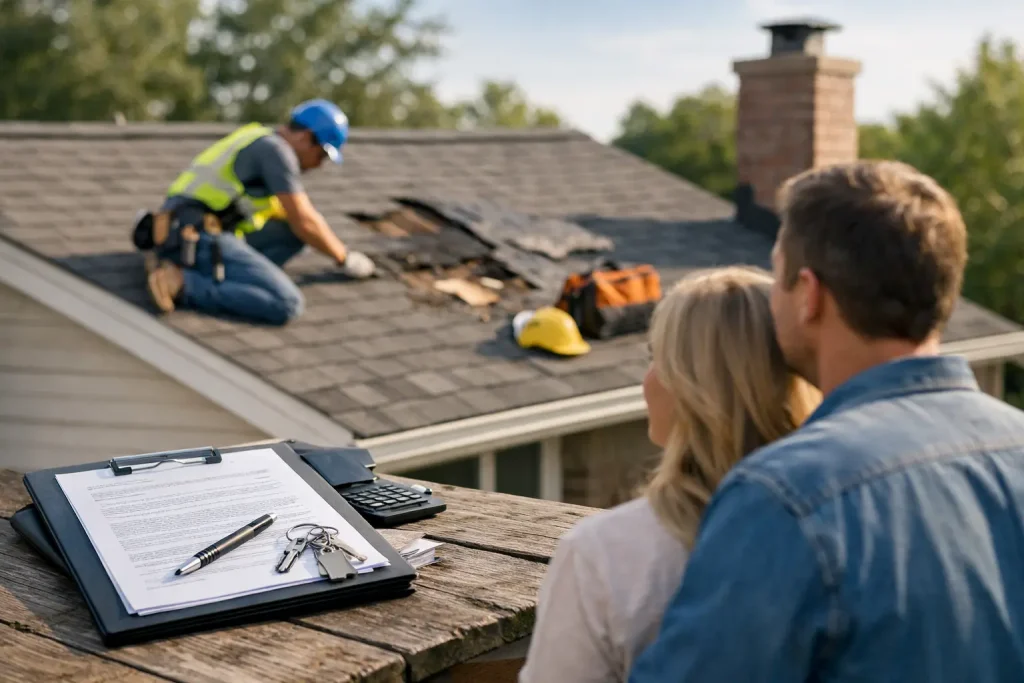
A storm rolls through at night, and the next morning you spot shingles in the yard or a water stain on the ceiling. That is usually when a roof insurance claim stops feeling like paperwork and starts feeling urgent. For Utah homeowners, the process can move quickly if the damage is clear, but small mistakes early on can slow everything down or reduce what your policy pays.
The good news is that most claims problems are preventable. If you know what your insurer is looking for, what your contractor should document, and where homeowners often get tripped up, you can make better decisions from the start.
When a roof insurance claim is worth filing
Not every roofing issue should become an insurance claim. Insurance is generally meant for sudden, accidental damage like hail, wind, falling debris, or a storm-related leak. If your roof is simply old, worn out, or has been slowly deteriorating over time, that usually falls under maintenance, not coverage.
This is where homeowners can get mixed signals. A roof may have visible problems after a storm, but the insurer may still decide some or all of the issue came from age or prior wear. That does not always mean you should avoid filing. It means you should first get a professional inspection and a clear opinion on whether the damage appears storm-related.
In Utah, hail and wind are common reasons homeowners file. Missing shingles, lifted shingles, dented metal components, cracked tabs, exposed underlayment, and fresh leaks are all signs the roof should be inspected right away. Siding, gutters, fascia, and soffit can also show storm impact, and that matters because exterior damage can support the overall claim.
What insurance adjusters usually look for
An adjuster is trying to answer a simple question: what caused the damage, and does the policy cover it? That sounds straightforward, but real roofs are rarely that simple.
They will usually look at the age and condition of the roof, the slope and material type, the pattern of damage, and whether nearby surfaces show similar impact. They may check for creased shingles from wind, hail bruising, granule loss, soft spots, punctures, or damage to flashing and roof penetrations. They also want to separate storm damage from installation issues, poor ventilation, foot traffic, and long-term neglect.
That is one reason documentation matters so much. Photos taken right after the storm, notes about when the leak started, and a detailed contractor inspection can all help show that the problem was sudden and weather-related rather than a pre-existing issue.
The roof insurance claim process, step by step
A roof insurance claim usually begins with an inspection, not a phone call to your carrier. If you file first without understanding the scope of damage, you may create unnecessary stress over a problem that is below your deductible or not covered.
Start with a prompt roof inspection
A professional inspection gives you a better sense of whether filing makes financial sense. It also helps catch damage before it gets worse. A small puncture or lifted shingle may not look serious from the ground, but it can let water into the system and create a bigger repair later.
If the damage appears storm-related, the next step is to notify your insurance company. Be ready with the date of the storm if you know it, a general description of the damage, and any interior signs like ceiling stains or active leaks.
Document everything you can
Take photos of visible roof damage if it is safe to do so from the ground. Photograph gutters, downspouts, siding, window screens, and any interior water damage too. Keep notes on when you noticed the issue, when the storm occurred, and what has changed since then.
A strong paper trail helps. Save emails, claim numbers, inspection reports, and receipts for any emergency protection work, such as tarping to prevent additional water intrusion.
Meet the adjuster with clear information
When the adjuster visits, it helps to have your contractor involved. A good contractor can point out damage that may be easy to miss and explain what repairs are actually necessary to restore the roof properly. That does not mean arguing every point. It means making sure the scope is based on real conditions, not a quick visual check.
Sometimes the first estimate is close to what is needed. Sometimes it is not. Missing line items, overlooked accessories, or underestimated material counts do happen.
Review the scope before work begins
Once the insurer issues an estimate, compare it with the contractor’s findings. This is where trade-offs come into play. If the insurer approves only a repair but the roof has broader damage or matching issues, there may need to be follow-up documentation or a supplement request.
Homeowners should also understand their deductible and whether their policy pays actual cash value or replacement cost value. That difference affects what you receive and when.
Common roof insurance claim mistakes
The biggest mistake is waiting too long. Storm damage does not always leak immediately, and many homeowners assume everything is fine until months later. By then, proving when the damage happened can be harder, and the roof may have suffered additional avoidable deterioration.
Another common mistake is assuming all damage is obvious. Hail marks on soft metal, loosened flashing, and broken seal strips are easy to miss without a trained eye. If you only look for missing shingles, you may underestimate the claim.
Homeowners also run into trouble when they confuse claim approval with full project approval. An insurer may agree there is covered damage but still underpay the scope at first. That is why careful review matters.
There is also a practical financial mistake many people make: filing a claim for minor damage that costs less than or only slightly more than the deductible. In that case, it may not be worth opening a claim at all. It depends on the policy, the extent of damage, and the long-term condition of the roof.
Why local experience matters in Utah
Roof damage is not the same in every market. Utah homes deal with wind, hail, snow load, freeze-thaw cycles, and strong sun exposure. Those conditions affect how shingles age, how flashing performs, and how storm damage shows up on different roofing systems.
A local contractor understands what adjusters commonly see in this region and how weather patterns affect roofing materials here. That local perspective can be especially helpful when damage is borderline, spread across multiple exterior components, or mixed with age-related wear.
For homeowners, the real benefit is clarity. You want someone who can tell you honestly whether filing a claim makes sense, whether a repair is enough, or whether the roof has problems that insurance probably will not cover.
Repair or replacement after a roof insurance claim
This is one of the most important decisions in the process. Not every approved claim leads to full replacement. If damage is isolated and the rest of the roof is in good shape, a repair may be the right outcome. That can be faster and less expensive overall.
But there are situations where replacement is the better long-term answer. If shingles are discontinued, if the damage is spread across multiple slopes, or if the roof is already near the end of its service life, patching one section may solve the immediate issue without really protecting the home for years to come.
This is where homeowners need straightforward advice, not pressure. A contractor should explain what insurance is paying for, what options exist beyond the claim scope, and what trade-offs come with each choice.
What to expect from a good contractor
A helpful contractor does more than install shingles. They inspect thoroughly, explain the damage in plain language, help document the roof condition, and communicate clearly throughout the claim process.
They should also be realistic. Some claims get approved quickly. Others need additional review. Some roofs qualify for repair only. Others justify replacement. If someone promises every claim will be covered in full before the inspection even happens, that is a red flag.
At Big West Roofing, that customer-first approach matters because homeowners are already dealing with enough stress. They need honest answers, fast follow-up, and quality workmanship if repairs or replacement move forward.
A roof problem always feels personal because it affects the place your family depends on. If you suspect storm damage, the smartest first step is simple: get the roof inspected, get clear documentation, and make decisions based on facts rather than guesswork. A little clarity early can save you a lot of money and frustration later.