
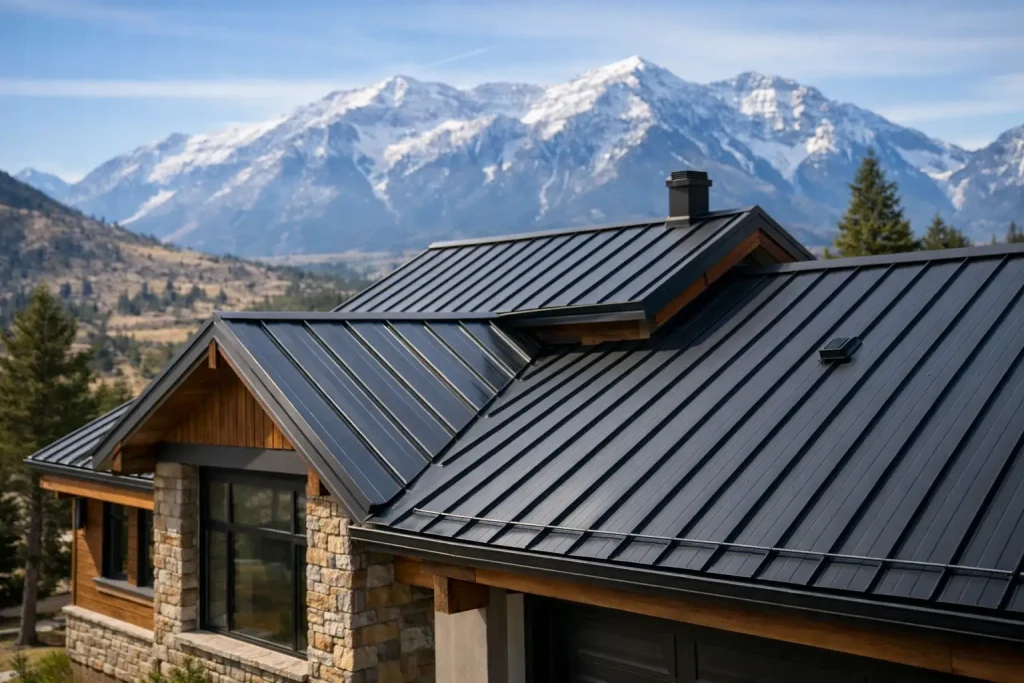
A roof in Utah has to handle more than an occasional rainy day. It faces intense summer sun, winter snow loads, wind, hail, and sharp temperature changes that can expose weak materials over time. Metal roofing is a practical option for homeowners who want long-term protection, lower maintenance, and a roof built for demanding weather.
It is not automatically the right choice for every home or budget. The best roofing decision depends on your home’s design, the condition of the roof deck, your long-term plans, and what matters most to your family. Here is what to consider before choosing metal.
Why Metal Roofing Works Well in Utah
Metal roofs are made to shed water and snow efficiently. That is a meaningful advantage in Utah, where snow can sit on a roof for long periods before melting. A properly installed metal system helps move moisture away from vulnerable areas and reduces the chance of water finding its way beneath aging or damaged materials.
Sun exposure is another reason many property owners consider metal. Quality metal panels and coatings reflect a portion of solar heat, which can help keep attic temperatures more manageable during hot months. Energy savings vary by home insulation, ventilation, roof color, and local shade, so it should not be viewed as a guaranteed utility-bill fix. Still, it can be a smart part of an overall energy-conscious roofing plan.
Durability is often the biggest draw. Metal is resistant to rot, insects, and fire. It also performs well in wind when the panels, fasteners, flashing, and underlayment are installed correctly. The material is strong, but workmanship is what makes the entire roofing system perform as intended.
The Benefits Homeowners Notice
A new roof is a major investment, so longevity matters. Depending on the type of metal and the quality of installation, a metal roof can last several decades. That extended service life may make the higher upfront cost worthwhile for homeowners who plan to stay in their home for many years.
Metal roofs also require relatively little routine maintenance compared with some other roof types. They still need attention. Seasonal checks can catch loose flashing, clogged gutters, debris in valleys, or damage around vents and chimneys before those small concerns become leaks. After a windstorm or hail event, a professional inspection is the safest way to assess the roof without risking a fall or overlooking subtle damage.
Many homeowners also appreciate the appearance options. Modern metal roofing is not limited to the bare, agricultural look people often picture. It is available in standing seam panels, ribbed panels, shingles, and styles designed to complement traditional, modern, rustic, and mountain-inspired homes. Colors and finishes can be selected to work with siding, brick, stone, gutters, and trim.
For commercial properties, metal can be especially attractive because of its long service life and low maintenance needs. The right system depends on roof slope, drainage, building use, penetrations, and existing conditions. A site-specific evaluation is more valuable than choosing a material based on appearance alone.
What Metal Roofing Costs and Why
Metal roofing generally costs more upfront than a standard asphalt shingle roof. Material quality, panel profile, roof size, pitch, tear-off needs, access, trim details, and the number of valleys, skylights, and penetrations all affect the final price. A simple ranch-style roof will be very different from a steep, complex roof with multiple dormers.
The right comparison is not just the installation price. Consider the expected lifespan, maintenance needs, possible energy benefits, curb appeal, and likelihood of needing another replacement during the time you own the property. A lower-cost roof may be the sensible choice for a homeowner on a tight budget or someone planning to move soon. A metal roof may offer stronger long-term value for someone who wants to invest in lasting protection.
Financing can make a replacement more manageable, especially when a roof reaches the end of its life unexpectedly. If storm damage is involved, insurance may cover qualifying repairs or replacement costs, subject to your policy, deductible, and the insurer’s inspection. A knowledgeable local contractor can document visible damage, explain the repair scope, and help you understand the claims process without making promises about coverage.
Important Trade-Offs to Consider
Metal is durable, but it is not maintenance-free or damage-proof. Large hail can dent certain metal panels, and the visibility of those dents depends on the panel style, finish, lighting, and viewing angle. Some cosmetic damage may not affect weather protection, while other impacts can damage coatings, seams, flashing, or fasteners. A professional inspection helps distinguish between the two.
Noise is another common concern. When installed over solid decking with the proper underlayment and attic insulation, rain noise inside the home is often comparable to other roofing systems. The result depends on the home’s construction. A contractor should be able to explain the assembly being proposed rather than simply saying metal is always quiet.
Expansion and contraction are normal as metal heats and cools. That is why correct fastening methods, clips, clearances, and trim details matter. Poor installation can lead to oil canning, loose fasteners, leaking penetrations, or uneven-looking panels. Choosing an experienced installer is just as important as choosing the material.
Finally, snow slides can occur on smooth metal roofs. In the right location, snow guards can help control how snow releases and protect walkways, decks, landscaping, and people below. They need to be planned carefully based on roof geometry and where snow is likely to fall.
Choosing the Right Metal Roofing System
Not all metal roofs are the same. Standing seam systems use concealed fasteners and offer a clean, modern appearance with strong weather performance. They are often a popular choice for residential roofs and can be a good fit for homes with solar plans because the seams may allow certain mounting methods without penetrating the panel surface.
Exposed-fastener panels can be a more budget-friendly option and are common on garages, workshops, agricultural buildings, and some homes. The fasteners and washers need periodic attention because they are exposed to weather. Metal shingles or stamped panels offer a different look for homeowners who prefer the appearance of more traditional roofing materials.
Your roof’s slope, architecture, budget, and surrounding neighborhood should all influence the selection. It also helps to think ahead. If you expect to add solar, replace gutters, or update siding in the next few years, coordinating those projects can prevent unnecessary rework and create a more finished exterior.
Start With the Roof Beneath the Roof
Before installing any new system, the existing roof deck should be checked for soft spots, moisture damage, sagging, and ventilation concerns. Covering a problem does not solve it. The roof structure, underlayment, flashing, ventilation, and drainage details all work together to protect your home.
A careful inspection also determines whether a repair could safely extend the life of the current roof. Metal roofing is a strong replacement option, but it should be recommended because it fits the home, not because every roof needs the same solution.
When to Schedule an Inspection
Call for an inspection if you see missing or damaged roofing material, water stains on ceilings, granules in gutters, rusting components, lifted flashing, or signs of storm impact. You do not need to wait for an active leak. By the time water reaches the interior, moisture may have already affected underlayment, decking, insulation, or framing.
For older roofs, a professional evaluation gives you a clearer timeline and a chance to compare repair and replacement options before the situation becomes urgent. Big West Roofing provides straightforward inspections for Utah homeowners who want an honest assessment, clear pricing, and help choosing a roof that fits their property.
A well-planned roof replacement should leave you with more than new materials overhead. It should give you confidence when the next snowstorm, high-wind day, or summer heat wave arrives.