
A roof replacement gets a lot more complicated when solar is already in place. If you have an aging roof, storm damage, or a leak under your array, solar panels remove and reset is often the step that makes the whole project possible without risking your system.
For Utah homeowners, this usually comes up at the exact moment you were hoping to keep things simple. You need roofing work done, but your panels, rails, and wiring are sitting right where the crew needs access. The good news is that remove and reset is a standard service when handled by the right team. The key is making sure both the roof and the solar system are protected from start to finish.
What solar panels remove and reset means
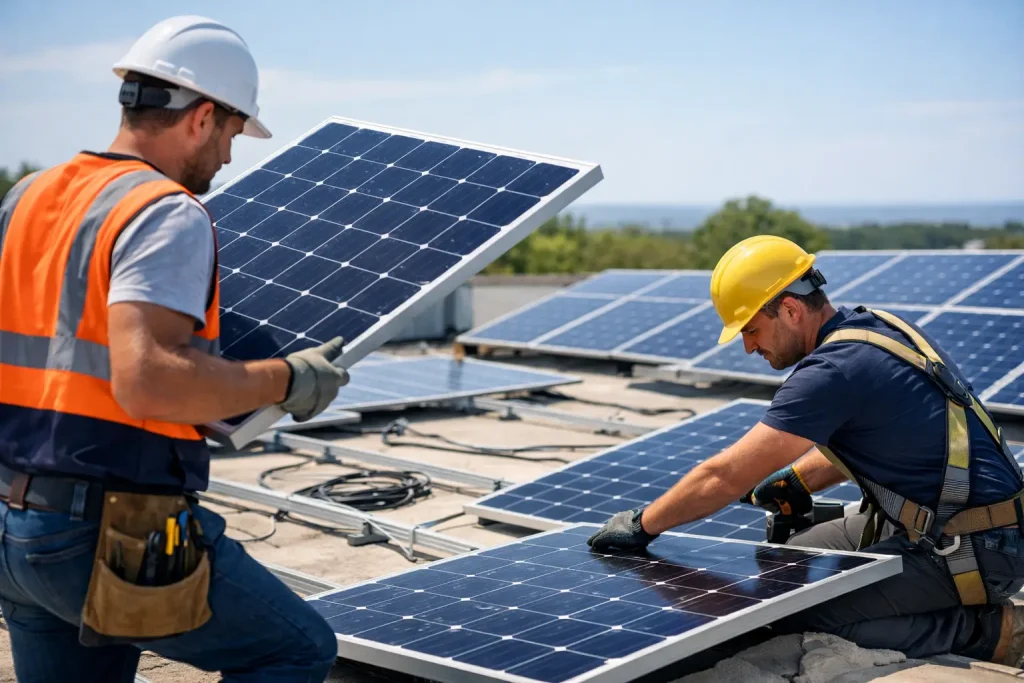
Solar panels remove and reset means the solar equipment is carefully taken off the roof, stored safely during roofing work, and then reinstalled once the roof is ready. Depending on the system, this can include the panels, mounting hardware, flashing, rails, and sometimes portions of the electrical setup tied to the array.
This is not the same as replacing your whole solar system. In many cases, the existing panels go right back up after the roofing portion is complete. What changes is the roof beneath them, and sometimes the mounting components if they are worn, outdated, or no longer a good fit for the new roofing material.
It also is not a job where one trade should guess its way through the other. Roofing crews need full access to the deck, underlayment, and penetrations. Solar crews need to preserve system performance, maintain safe electrical handling, and reinstall equipment to manufacturer standards. When those two scopes are coordinated well, the project moves faster and the risk of future leaks goes down.
When a remove and reset is usually necessary
The most common reason is roof replacement. If your shingles are near the end of their life, it rarely makes sense to leave solar in place and work around it. Roofing around mounted panels can leave weak points, shorten roof life, and create service headaches later.
Leaks are another major reason. If water is getting in near a solar attachment point, around flashing, or under the field of panels, the array often needs to come off so the actual source can be found and repaired. Trying to patch only the visible area can miss the real problem.
Storm damage can also force the issue. Hail, wind, and flying debris may damage roofing, solar components, or both. In Utah, weather can change fast, and that means a roof inspection after a storm matters even when the panels still appear intact from the ground.
Sometimes the need is less urgent but still practical. Homeowners may schedule solar panels remove and reset to upgrade roofing material, improve ventilation, or correct installation issues from an older roof or solar job. If the system was installed years ago, this can also be a chance to inspect mounting points and worn hardware before they cause bigger problems.
Why coordination matters more than most homeowners expect
The biggest risk in these projects is the handoff between trades. If the solar company removes the system but the roof penetrations are not documented well, reinstallation can become messy. If the roofing contractor replaces materials without accounting for solar attachment requirements, the reset can take longer or require extra modifications.
That is why planning matters before any panels come off. The layout should be documented, the condition of the roof and mounting points should be reviewed, and the timing between removal, roofing, and reset should be clear. Homeowners should not be left chasing two different companies for answers while their roof sits exposed or their solar system stays offline longer than necessary.
This is especially important if warranties are involved. Roofing warranties, workmanship coverage, and solar manufacturer requirements can all overlap. A rushed or poorly coordinated job may solve the immediate roof issue but create questions later if there is a leak or system performance problem.
What the process usually looks like
Most remove and reset jobs start with an inspection. That visit helps confirm the condition of the roof, the solar system, attachment points, and any storm-related issues. It also helps identify whether the existing array can be reinstalled as-is or whether some components should be replaced during the process.
Next comes system documentation and removal. The crew labels components, maps the layout, disconnects the equipment safely, and removes panels and hardware in a controlled order. Good storage practices matter here. Panels should be protected from impact, moisture, and careless handling while the roof work is underway.
Once the roof is open, the roofing crew can address the real problem. That may mean replacing shingles, underlayment, flashing, decking, or damaged areas around penetrations. This is the time to do the roof correctly, not just quickly. If shortcuts are taken under the array, they are hard to fix later.
After the roof is complete, the solar system is reinstalled. Mounts are set properly, flashing is sealed correctly, rails are aligned, and panels are put back in place. Then the system is tested to make sure it is operating as expected. In some cases, additional electrical checks or utility-related steps may be needed, depending on the system and local requirements.
Cost factors homeowners should know
There is no one-size-fits-all price for solar panels remove and reset. The cost depends on the number of panels, roof height and pitch, system complexity, roofing material, access to the home, and whether any damaged solar components need replacement.
A simple residential array on an easy-to-access roof will usually cost less than a large system on a steep roof with multiple roof planes. If the project includes roof decking repairs, new mounting hardware, or electrical updates, the price will increase.
Insurance may help in some storm-related cases, but not always. If hail or wind caused covered damage to the roof and solar setup, portions of the work may fall within a claim. If the remove and reset is needed because the roof simply reached the end of its service life, that is usually a homeowner expense. This is one of those situations where clear documentation and a contractor who understands insurance conversations can save a lot of frustration.
Common mistakes to avoid
The biggest mistake is waiting too long. If your roof already needs replacement, postponing the job because solar is in the way can lead to leaks, wood rot, insulation damage, and higher project costs later.
Another mistake is hiring separate companies that do not truly coordinate. Lower pricing can look attractive upfront, but miscommunication between trades often shows up as delays, extra charges, or warranty disputes.
It is also a mistake to assume every panel can simply go right back up without inspection. If hardware is corroded, flashing is worn, or attachments were not ideal to begin with, reinstalling the same setup without improvements can put the new roof at risk.
Finally, homeowners should be cautious about anyone who treats remove and reset like a basic unmount and remount. This work affects your roof system, your solar production, and the long-term weather protection of your home. It deserves more care than a quick equipment swap.
How to know if your roof should be replaced before solar goes back on
If the roof is already near the end of its life, now is the time to replace it. Reinstalling solar over an older roof may save money in the short term, but it can force another remove and reset far sooner than you want.
As a rule, the roof should have enough remaining life to justify putting the solar system back on it. For many homeowners, that means looking honestly at shingle age, ventilation, past repairs, and signs of wear around valleys, flashing, and penetrations. If the roof has widespread issues, partial fixes under a newly reset array usually do not age well.
A contractor with roofing and solar experience can help weigh that decision. Sometimes a targeted repair is enough. Sometimes full replacement is the better long-term value, even if it raises the project scope today.
Choosing the right contractor for remove and reset
You want a contractor who understands both protection and practicality. That means clear inspections, straightforward pricing, documented scope, realistic scheduling, and a plan for handling any hidden issues once the roof is opened up.
For Utah property owners, local experience matters too. Snow load, summer heat, hail exposure, and roofing material choices all affect how solar systems should be removed and reinstalled. A contractor familiar with local conditions is more likely to spot problems before they turn into callbacks.
If you are facing a roof issue under an existing array, ask direct questions. Who handles the panel removal? Who documents the layout? What happens if damaged decking or worn solar hardware is found? How are warranties protected? A trustworthy company should answer those questions clearly, without making the process sound easier than it is.
At Big West Roofing, that kind of clarity matters because homeowners are not just paying for labor. They are trusting a team with the roof over their heads and the system helping power their home.
If your roof and solar system are starting to compete for attention, the best next step is not to guess. Get the roof inspected, understand the condition of both systems, and make a plan that protects your home for the long haul.