
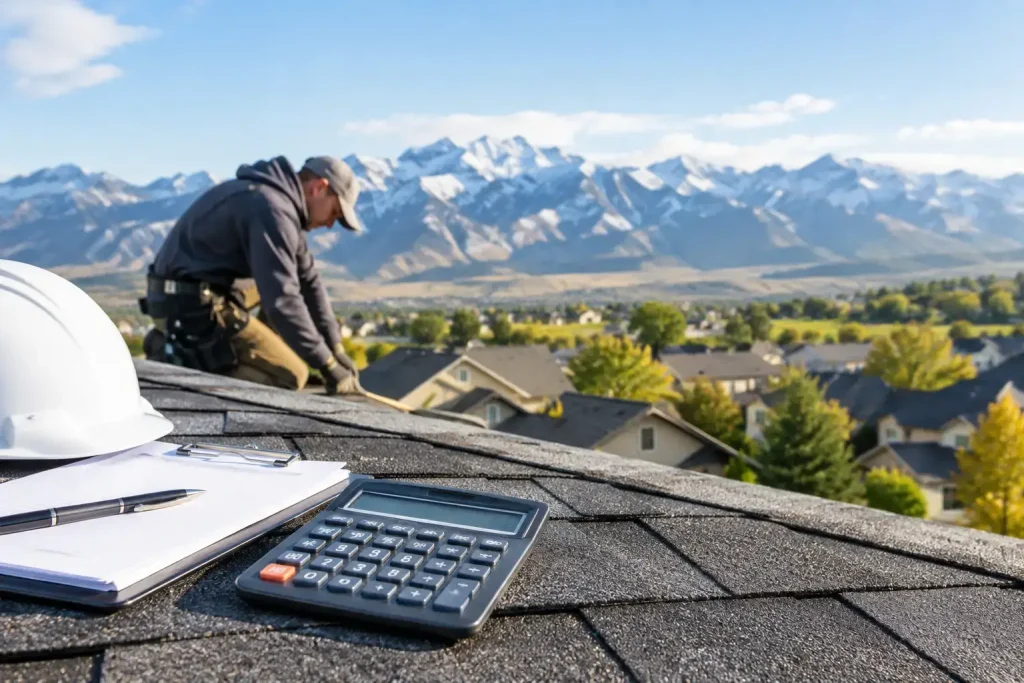
A roof rarely fails at a convenient time. A small ceiling stain after a Utah storm can quickly turn into a question every homeowner wants answered: should we repair it now, or prepare for a replacement? Understanding roofing price trends helps you make that decision with clearer expectations, not guesswork.
Roofing costs are not set by one number on a flyer. Material availability, labor demand, roof design, weather damage, and the condition of the existing roof all play a role. The good news is that homeowners have more control than they may think when they get an inspection early, compare complete scopes of work, and choose the right solution for their home.
What Is Driving Roofing Price Trends?
The largest portion of a roofing project is usually the installed system, not simply the shingles or panels themselves. A quality roof includes underlayment, flashing, ventilation, fasteners, disposal, labor, and the careful work required around vents, chimneys, skylights, valleys, and edges. When any of those inputs change, project pricing can move with them.
Material costs can rise or settle based on manufacturing, transportation, petroleum-related products, and regional supply. Asphalt shingles, for example, are widely available and remain a practical choice for many Utah homes, but their prices can still shift from season to season. Metal roofing and commercial membrane systems often have different supply factors, so their pricing may not follow the same pattern as shingles.
Labor is another major factor. Skilled roofing crews are in high demand, particularly after widespread wind, hail, or heavy snow events. A contractor who maintains experienced crews, follows proper safety practices, and installs the full roofing system correctly may not be the lowest bid on paper. That difference matters when the roof is responsible for protecting your home, insulation, framing, and belongings.
Utah Weather Can Change the Timing
Utah roofs work hard. Intense sun, winter snow, temperature swings, high winds, and occasional hail can each shorten the life of roofing materials or expose weak points. Following a major storm, many property owners request inspections at the same time. That increased demand can affect scheduling and, in some cases, material availability.
This does not mean you should wait for a perfect season or panic after every storm. It means timing should be part of the conversation. If your roof is aging but not leaking, planning a replacement before peak storm demand can give you more flexibility with scheduling and product selection. If water is getting in, fast repair should take priority. Delaying an active leak to chase a lower price can lead to damaged decking, insulation, drywall, or mold concerns that cost more to address later.
Repair Costs and Replacement Costs Follow Different Patterns
A roof repair is often the right answer when damage is limited to a specific area and the rest of the roof still has useful life remaining. Replacing missing shingles, repairing flashing, sealing a penetration, or addressing a localized leak can protect the home without the cost of a full replacement.
However, repairs become less cost-effective when problems keep returning, shingles are brittle or widely worn, or the roof is approaching the end of its expected service life. At that point, a series of small repairs can become a temporary patchwork. A professional inspection can show whether a repair is a sensible investment or whether replacement offers better long-term value.
Why Two Roofing Quotes Can Look So Different
Homeowners should be cautious about comparing proposals by the bottom line alone. One estimate may include tear-off and disposal while another assumes a new layer will be installed over the old roof. One may include new flashing and proper ventilation improvements, while another may only address the visible shingles.
Before choosing a contractor, make sure each quote clearly explains the scope. Ask whether it includes removal of existing materials, inspection and replacement of damaged decking if needed, underlayment, ice and water protection where appropriate, flashing, ventilation, cleanup, permits, and warranty information. These are not minor details. They affect roof performance and can explain why a lower estimate is not always the better value.
Roof complexity also changes the price. A simple, low-slope roof with easy access usually requires less labor than a steep roof with multiple levels, valleys, dormers, skylights, or hard-to-reach areas. Homes with solar panels may require coordination for safe removal and reinstallation. Commercial properties have their own considerations, including drainage, membrane selection, rooftop equipment, and access requirements.
Material Choices Matter More Than Initial Cost
Asphalt shingles remain a popular choice because they offer dependable protection and a broad range of styles at an accessible price point. Architectural shingles can provide a more dimensional appearance and may offer stronger wind resistance than basic options, depending on the product and installation.
Metal roofing generally carries a higher upfront cost, but it can be an attractive option for homeowners focused on longevity, durability, and a distinct appearance. It is not automatically the best choice for every property. Budget, roof design, neighborhood style, and long-term plans for the home all matter.
For low-slope sections and many commercial roofs, membrane roofing can offer reliable waterproofing when it is specified and installed correctly. The right material is the one that fits the building, local weather exposure, maintenance expectations, and budget. A trustworthy contractor should explain the trade-offs plainly instead of pushing a one-size-fits-all product.
How to Plan Around Roofing Price Trends
The most effective way to manage roofing costs is to act before a small concern becomes an emergency. An annual inspection, especially after severe weather, can identify loose shingles, damaged flashing, soft areas, clogged gutters, or signs of hail impact before water reaches the interior.
When you are considering replacement, start with a detailed inspection and written estimate. Share your priorities honestly. Some homeowners need the strongest value for a home they plan to sell soon. Others want a roof system that supports decades of ownership. Both are reasonable goals, but they may lead to different material and warranty choices.
It also helps to ask about financing options before you need them. Financing can allow a homeowner to complete necessary work without postponing protection for the home. If storm damage may be covered, document the damage promptly and understand your policy deductible. Insurance claims can be confusing, but a roofing contractor can help identify visible damage and provide the documentation needed for a conversation with your insurer. The final coverage decision always belongs to the insurance company.
Do not make a decision based only on a storm chaser’s urgency or an unusually low quote. Local contractors with a track record in the community are easier to reach if you have questions during the project or need support after the work is complete. Look for clear communication, proper licensing and insurance, workmanship details, and a contractor willing to answer direct questions.
A Better Time to Get Answers Is Before a Leak
Roofing prices will continue to respond to materials, labor, weather, and demand. What should not change is your ability to receive an honest assessment of your roof and a clear explanation of your options. Whether you need a small repair, storm damage support, or a full replacement, Big West Roofing can provide a free roof inspection and straightforward guidance built around your home, your timeline, and your budget.
If you have noticed missing shingles, granules in the gutter, a ceiling spot, or a roof that is simply getting older, a timely inspection can turn uncertainty into a practical plan.