
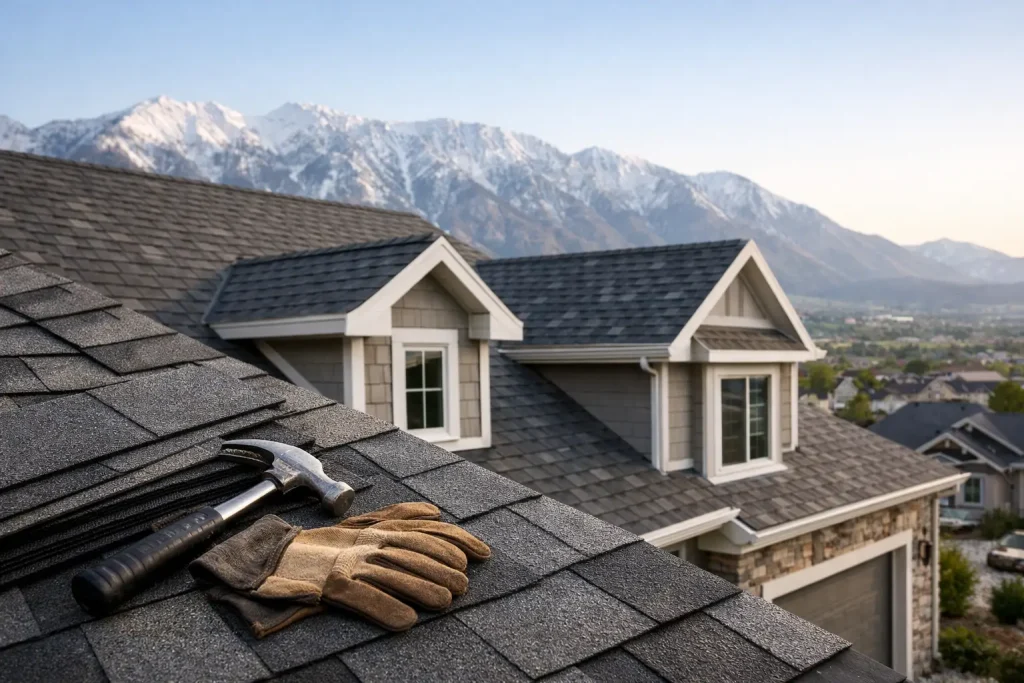
A roof can look fine from the driveway and still be nearing the end of its useful life. That is why an architectural shingles review should look beyond color and curb appeal. For Utah homeowners, the better question is whether a shingle system can handle intense sun, wind, snow, temperature swings, and the details that keep water out around vents, valleys, and chimneys.
Architectural shingles are one of the most popular choices for residential roof replacement because they offer a noticeable upgrade from basic three-tab shingles without moving into the higher price range of metal, tile, or slate. They can be an excellent value, but performance depends on the product line, the roof design, and the quality of installation.
What Are Architectural Shingles?
Architectural shingles are also called dimensional or laminated shingles. Unlike flat three-tab shingles, they are made with multiple layers of asphalt material bonded together. That layered construction creates more depth, a textured appearance, and usually greater resistance to wind and everyday wear.
From the street, architectural shingles can mimic the shadow lines of wood shakes or more premium roofing materials. They are available in a wide range of neutral colors, from warm browns and weathered grays to deeper charcoal tones. For many homeowners, that balance of appearance and practical durability is the main appeal.
The category is broad, though. A budget architectural shingle and a premium architectural shingle may both look similar at first glance while offering different wind ratings, algae resistance, warranty terms, and expected service life. Comparing the actual product specifications matters more than comparing the word “architectural” on its own.
Architectural Shingles Review: The Real Benefits
The biggest advantage is value. Architectural shingles generally cost more than three-tab shingles, but they typically provide a more substantial look and stronger overall performance. For a homeowner planning to stay in the home for years, that extra upfront investment can make sense.
They also work well with many Utah home styles. Whether your home has brick, stone, stucco, fiber cement siding, or painted trim, dimensional shingles offer enough color and texture options to create a finished, intentional look. A roof replacement is a major exterior upgrade, and the right shingle color can make the whole property feel newer.
Architectural shingles are often rated for higher wind resistance than standard three-tab options when installed as a complete manufacturer-approved system. That can be useful in areas exposed to strong seasonal winds. The layered design also tends to hide minor surface irregularities better than thinner shingles.
For homeowners watching their budget, architectural shingles are easier to repair and replace than some specialty roofing materials. If storm damage affects a portion of the roof, a qualified contractor can inspect the shingles, underlayment, flashing, and roof deck to determine whether a repair is appropriate or whether broader replacement is the safer choice.
Where They Have Limits
No asphalt shingle is maintenance-free or immune to weather. Utah’s dry heat and strong ultraviolet exposure can gradually age asphalt roofing. Cold winters, snow loads, ice at the eaves, and sharp day-to-night temperature changes can add stress over time. Architectural shingles are durable, but they are not a permanent roof.
Color matching can also become more difficult as a roof ages. Even when the original shingle line is still available, years of sun exposure may change the appearance of existing shingles. A small repair may be technically sound but visually noticeable. This is one reason a thorough inspection is valuable before deciding between a repair and replacement.
Their performance also depends heavily on installation. A quality shingle will not perform as intended if the roof deck has soft areas, flashing is poorly installed, ventilation is inadequate, or the crew uses shortcuts around valleys and penetrations. The shingle is only one part of the roof system.
How Long Do Architectural Shingles Last in Utah?
Many architectural shingle roofs can provide roughly 20 to 30 years of service, although actual lifespan varies. Roof slope, sun exposure, attic ventilation, installation quality, storm damage, and maintenance all affect the outcome. A roof facing harsh afternoon sun may age faster than one with more shade. Homes with poor ventilation can trap heat and moisture in the attic, which can shorten roof life and raise cooling costs.
Manufacturer warranties may use longer terms, but a warranty is not the same as a guaranteed lifespan. Coverage often has specific requirements, limitations, and prorated periods. It may cover manufacturing defects rather than damage from wind, hail, improper installation, or inadequate ventilation.
A trustworthy roofing contractor should explain those differences in plain language. Homeowners deserve to know what the product warranty covers, what the workmanship warranty covers, and what conditions could affect either one.
What to Look for Before Choosing a Shingle
Start with the roof itself, not just a color sample. A free roof inspection can identify missing shingles, lifted edges, exposed nail heads, granule loss, cracked pipe boots, damaged flashing, or signs of leaks in the attic. It can also reveal whether the existing roof has proper ventilation and whether the decking needs attention.
Next, compare shingle options based on the features that matter to your property. Wind rating is important for exposed locations. Impact resistance may be worth considering if your neighborhood sees frequent hail. Algae resistance can help with dark streaking in areas where moisture lingers, although it is not a substitute for good drainage and ventilation.
Also look at the complete installation plan. A dependable quote should address tear-off or overlay, underlayment, ice and water protection where needed, flashing, ventilation, ridge cap shingles, cleanup, and disposal. A low number on a quote may leave out materials or details that protect the roof where leaks most often begin.
Cost: Why Quotes Can Vary
Architectural shingle replacement costs vary based on roof size, pitch, number of layers to remove, access, chimney and skylight details, decking repairs, ventilation needs, and the shingle line selected. A simple single-story roof is very different from a steep roof with multiple valleys, dormers, and tight access.
The best quote is not automatically the lowest quote. A lower price can be a good value when the scope is clear and the workmanship is strong. It becomes a concern when the contractor cannot explain what materials are included, how the roof will be protected during the work, or how they will handle unexpected deck damage.
For homeowners dealing with wind or hail damage, it may also be helpful to document the condition of the roof early. Photos, inspection findings, and a clear estimate can make the insurance conversation easier. Insurance coverage depends on the policy and the cause of damage, but professional documentation helps homeowners understand their options.
Is an Architectural Shingle Roof Right for You?
Architectural shingles are a strong fit for many homeowners who want dependable protection, attractive curb appeal, and a manageable replacement cost. They are especially practical when a roof needs replacement after age-related wear or storm damage and the homeowner wants an upgrade over basic three-tab shingles.
They may not be the best fit for every property. A homeowner prioritizing the longest possible lifespan may prefer metal roofing. A commercial low-slope roof will usually need a membrane system rather than shingles. Homes with recurring ice dam issues may need ventilation and insulation improvements alongside the roofing work, not simply new shingles.
The right decision comes from looking at the full property, the local weather exposure, and the budget for both today and the years ahead. Big West Roofing helps Utah homeowners evaluate those details with straightforward recommendations, clear pricing, and an inspection focused on what the roof actually needs.
A good roof should not leave you guessing after the first heavy windstorm or spring thaw. Before choosing a shingle, ask for a clear explanation of the materials, installation details, warranty coverage, and any repairs needed underneath the old roof. That conversation can be just as valuable as the shingle you choose.