
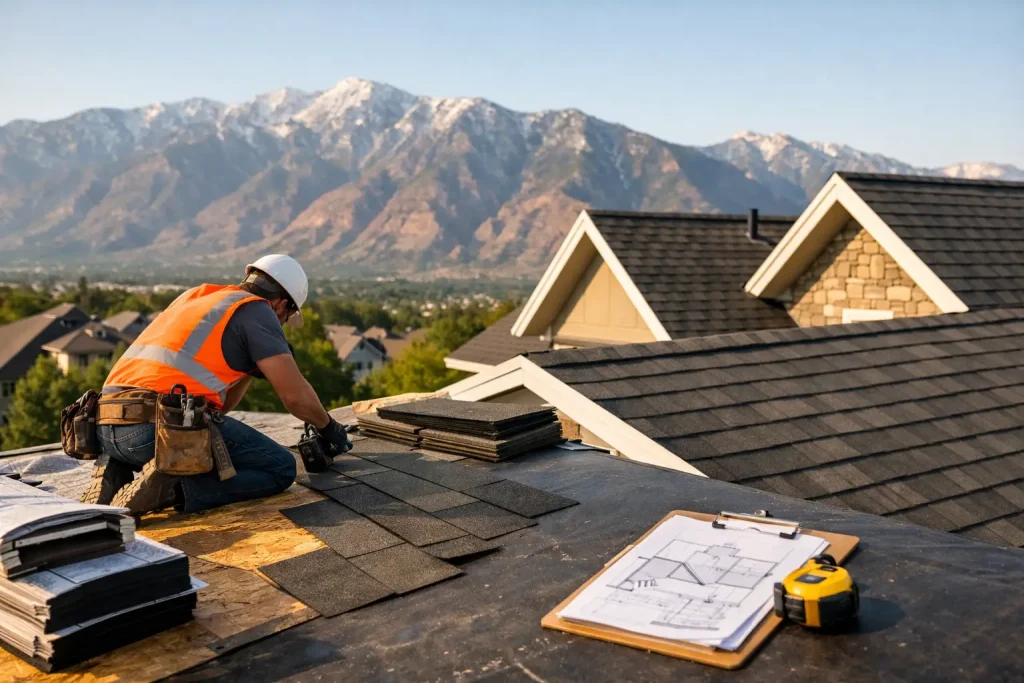
A roof replacement is rarely something homeowners plan years in advance. More often, it starts with a water spot on the ceiling, shingles blowing loose after a Utah windstorm, or an inspection that confirms the roof has reached the end of its useful life. This roof replacement planning guide helps you move from that first concern to a clear, confident plan for protecting your home.
The best replacement decisions are not based on the lowest number on a quote alone. Your roof has to handle intense summer sun, snow, wind, hail, and sudden temperature changes. Planning ahead gives you time to understand the work, compare options fairly, and avoid rushed decisions when a small problem becomes a major leak.
Start With a Clear Assessment of Your Roof
Age is a useful starting point, but it is not the whole story. Many asphalt shingle roofs last roughly 20 to 30 years, depending on material quality, ventilation, installation, weather exposure, and maintenance. A roof that is nearing that range deserves a professional inspection, especially if it has already been repaired more than once.
Look for missing, cracked, curled, or granule-worn shingles; exposed nail heads; damaged flashing around chimneys and vents; sagging roof areas; and recurring leaks. Inside the home, water stains, peeling paint near the ceiling, damp attic insulation, or daylight visible through the roof deck all deserve prompt attention.
Not every roofing issue requires a full replacement. A localized leak or a few damaged shingles may be repairable when the surrounding roof is still in good condition. Replacement becomes the smarter investment when damage is widespread, repairs are becoming frequent, or the roof system is no longer protecting the decking and structure beneath it. A free inspection can help separate an urgent repair from a replacement that should be scheduled soon.
Set a Budget That Covers the Full Roofing System
A roof quote is more than a price for shingles. A proper replacement may include removing old materials, inspecting and repairing roof decking, installing underlayment, replacing flashing, improving ventilation, and cleaning up the property when work is complete. Gutters, fascia, soffit, skylights, and chimney work can also affect the final scope.
Ask for a written estimate that explains what is included and what could create an additional charge. For example, contractors cannot always see damaged decking until the old roof is removed. A trustworthy contractor should explain how this possibility is handled before the project starts, rather than surprising you after the work is underway.
Material choice has a major effect on cost, but the least expensive option is not always the best value. Standard architectural shingles are a dependable choice for many Utah homes because they offer a balanced combination of appearance, durability, and affordability. Impact-resistant shingles may cost more up front but can make sense in hail-prone areas. Metal roofing generally carries a higher initial cost, yet it can provide long service life, strong weather performance, and a distinctive look.
If replacement is necessary but the timing strains your household budget, ask about financing options. A good plan should protect your home without forcing you into unclear terms or rushed material decisions.
Consider the Insurance Question Early
If wind, hail, or a fallen branch damaged your roof, document the condition before temporary repairs or replacement begin. Take photos from the ground when it is safe, save storm-related notices, and note when you first saw the damage. Your insurer may require an inspection or adjuster review.
Insurance policies vary. Some cover storm damage but not wear from age, while others may apply depreciation or a deductible. Do not assume an insurance claim will cover a full replacement, and do not delay necessary emergency repairs while waiting for an answer. A local roofing contractor experienced with storm restoration can help document damage and explain the repair scope, but the insurer makes the final coverage decision.
Choose Materials for Utah Weather and Your Home
Your new roof should fit your home, neighborhood, budget, and exposure to the elements. Color matters, but performance details matter just as much. Darker materials can absorb more heat, while lighter colors may help reflect sunlight. The right choice also depends on roof slope, shade from trees, attic ventilation, and local design requirements.
Architectural asphalt shingles remain the most common residential choice because they are versatile and available in many colors and profiles. They work well on a wide range of roof styles and are usually simpler to repair if damage occurs later. Premium shingles can offer enhanced thickness, visual depth, or impact resistance.
Metal roofing is worth considering for homeowners who want long-term durability and a modern or traditional standing-seam appearance. It performs well in wind and snow, but proper installation details are essential. Metal can be noisier during rain for some homes, and its upfront cost is typically higher. It is a strong option when longevity is a priority and the budget supports it.
The materials beneath the visible roof covering deserve equal attention. Quality underlayment, well-installed flashing, ice and water protection where needed, and balanced attic ventilation all support the life of the roof. Even high-quality shingles can fail early when those details are skipped.
Your Roof Replacement Planning Guide: Timing and Preparation
Utah roofing projects can be completed through much of the year, but weather affects scheduling. Spring and fall are often popular because temperatures are moderate, while summer offers long workdays but can bring intense heat and afternoon storms. Winter work may still be possible during safe, dry conditions, though snow, ice, and cold can create delays.
If your roof is actively leaking, timing is not just a preference. Call for an inspection quickly and use appropriate temporary protection if recommended. Waiting for the “perfect” season can allow water to damage insulation, drywall, framing, and electrical systems.
Once your replacement date is set, a little preparation makes the day easier for your household and the crew. Move vehicles away from the driveway and garage, clear patio furniture and fragile items near the home, and make sure gates are accessible. Roofing work is loud, so plan for babies, pets, remote work calls, or anyone sensitive to noise.
Inside, remove wall hangings or delicate items that could shift from vibration, especially in rooms directly below the roof. Cover attic belongings if dust is a concern. Let neighbors know about the project, particularly if shared driveways or close property lines make access more complicated.
A professional crew should protect landscaping and exterior surfaces as reasonably as possible, maintain a safe work area, and perform a thorough cleanup. It is normal for a replacement to create activity around the home, but clear communication about arrival times, access, cleanup, and expected duration makes a meaningful difference.
Compare Contractors Beyond the Price
A roof replacement can look good on installation day and still develop problems later if the work beneath the shingles was rushed. Compare contractors based on their inspection process, written scope, communication, workmanship standards, insurance, licensing requirements, and local reputation.
Ask who will perform the work, how long the project is expected to take, and who your point of contact will be if you have questions. Confirm the manufacturer warranty and the contractor’s workmanship warranty, including what each one covers. A warranty is most useful when the contractor is established locally and available to stand behind the work.
Be cautious with vague estimates, high-pressure sales tactics, or contractors who request full payment before materials arrive and work begins. A clear proposal should identify the roofing system, describe removal and installation work, explain payment terms, and address cleanup. You should feel comfortable asking questions before signing anything.
For homeowners across Utah, Big West Roofing approaches replacement planning with straightforward inspections, clear options, and craftsmanship built to protect the people under the roof. The goal is not to sell more than your home needs. It is to give you an honest path forward when your roof needs attention.
Plan for the Years After Installation
A new roof needs basic care to perform as intended. Keep gutters clear, watch for storm damage, trim branches that scrape the roof, and address small flashing or shingle issues before they grow. After major wind or hail, a visual check from the ground is a smart habit.
Regular inspections can catch concerns that are easy to miss, such as lifted shingles, sealant failure around penetrations, or ventilation problems in the attic. Protecting your roof is not about worrying after every storm. It is about responding early when something changes.
A well-planned replacement gives your family more than a new exterior finish. It gives you a home that is ready for the next hard rain, heavy snow, and summer storm, with fewer unknowns overhead.