
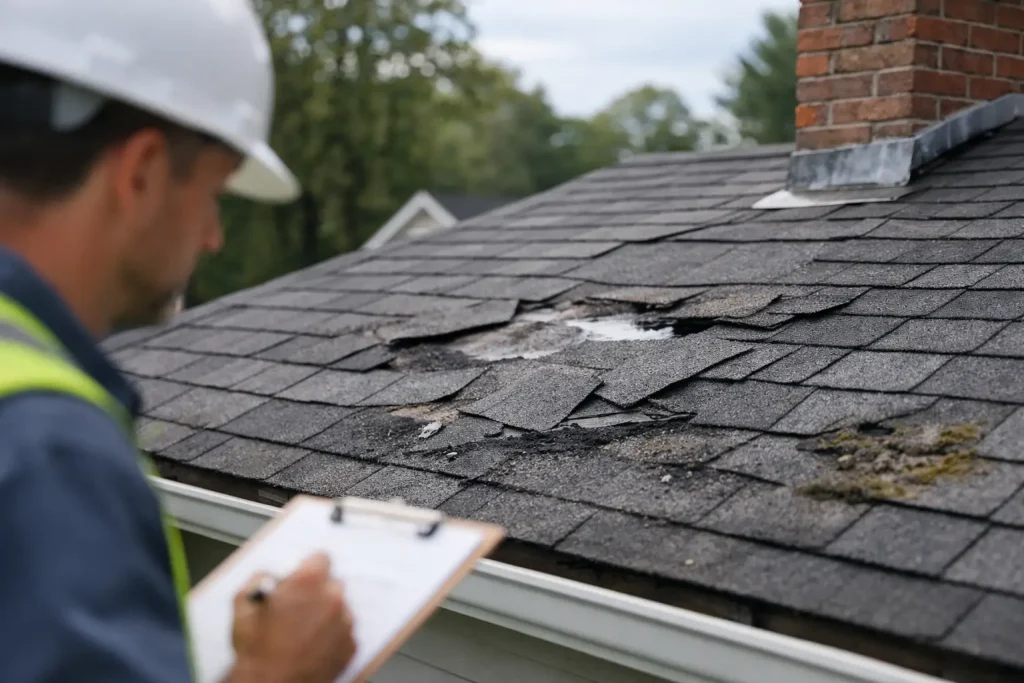
A roof problem usually does not start with a bucket in the hallway. More often, it starts with something small – a shingle out of place, a stain in the attic, or granules collecting in the gutter after a Utah storm. Knowing the top signs roof damage can leave behind helps you catch trouble early, before a repair turns into a much bigger expense.
For homeowners in Utah, that matters. Snow load, summer heat, wind, hail, and rapid temperature swings can all wear down roofing materials faster than people expect. The challenge is that damage is not always obvious from the ground, and many roofs look “mostly fine” until water finds a way in.
Why small roof issues turn into expensive ones
Your roof is a system, not just a layer of shingles. Flashing, underlayment, vents, gutters, fascia, and soffit all work together to move water away from your home. When one part fails, moisture can spread into decking, insulation, drywall, and even structural components.
That is why early detection matters so much. A minor repair handled quickly is usually straightforward. Wait too long, and the same problem can lead to mold, interior damage, higher energy bills, or a shortened roof lifespan. In some cases, what could have been repaired ends up requiring partial or full replacement.
Top signs roof damage you should not ignore
Some warning signs show up outside. Others appear inside your home first. Either way, the goal is the same – pay attention to changes and act before the next storm makes things worse.
Missing, cracked, or curling shingles
This is one of the clearest signs something is wrong. If shingles are missing, cracked, curling at the edges, or starting to lift, your roof is more exposed to water intrusion and wind damage.
Shingle problems often show up after strong winds, hail, or years of sun exposure. In Utah, freeze-thaw cycles can also make older shingles brittle. A few damaged shingles may be repairable, but widespread wear can point to a roof that is nearing the end of its service life.
Granules in gutters or downspouts
If you notice a buildup of dark, sand-like granules in your gutters, your asphalt shingles may be wearing down. Those granules protect the shingle surface from UV damage and help the roof shed water properly.
Some granule loss is normal on a new roof, but heavy shedding on an older roof is a red flag. It usually means the shingles are aging and becoming less effective. This sign is easy to miss unless you clean your gutters regularly or inspect them after a storm.
Water stains on ceilings or walls
A stain on the ceiling is never something to brush off. Even a small brown ring can mean water is getting past the roofing system and into your home.
Leaks do not always appear directly below the damaged area. Water can travel along decking, rafters, or insulation before it becomes visible indoors. That is why a stain in one room may trace back to a roofing issue somewhere else entirely. If the stain grows after rain or snowmelt, it is time to have the roof checked.
Sagging roof lines
A sagging section of roof is more serious than cosmetic wear. It can indicate trapped moisture, rotting decking, or even structural stress.
From the street, your roofline should look straight and even. If you notice dips, waves, or a section that appears to bow inward, do not wait. This is one of the top signs roof damage has moved beyond surface-level wear and may be affecting the materials underneath.
Damaged flashing around vents, chimneys, and valleys
Flashing is the metal material installed around roof features and transitions where water is more likely to enter. When flashing becomes loose, rusted, bent, or separated, leaks often follow.
This type of damage is common around chimneys, skylights, plumbing vents, and roof valleys. It is also one of the most overlooked issues because flashing problems can be hard to spot from the ground. A roof may still have intact shingles and still leak because the flashing has failed.
Moss, mold, or dark streaks
Not every discoloration means your roof is failing, but biological growth and dark streaking should not be ignored. Moss can trap moisture against the roof surface, while mold in the attic or around soffits may signal poor ventilation or moisture intrusion.
Dark streaks are often caused by algae, which is more of a maintenance issue than a structural one. Still, staining combined with moisture problems can point to deeper roof concerns. It depends on the age of the roof, the material, and whether the problem is isolated or widespread.
Higher energy bills without another clear cause
Roof damage does not always announce itself with a visible leak. Sometimes the clue is a house that is harder to keep comfortable.
If your heating or cooling costs have climbed and your HVAC system is working normally, the issue may be tied to roof ventilation, damaged insulation from moisture, or openings that let outside air in. This is especially relevant in attics, where roofing and ventilation problems often work together.
Interior signs that often get missed
Many homeowners check the roof from the yard but forget to look inside the attic. That is a mistake, because the attic often shows the first real evidence of trouble.
Daylight coming through the attic
If you can see daylight through the roof boards or around penetrations, water can likely get in too. Small openings have a way of becoming larger once wind and moisture get involved.
Damp insulation or musty odors
Wet insulation, mildew smells, or visible condensation in the attic can all point to a roofing issue. Sometimes the cause is a leak. Other times, it is poor ventilation creating excess moisture. Either way, these are signs the roof system needs professional attention.
Storm damage does not always look dramatic
After hail or wind, many homeowners expect obvious damage like torn shingles or branches on the roof. Sometimes that happens. Sometimes the damage is more subtle – bruising from hail, loosened seals, lifted shingles, or flashing that shifted just enough to cause future leaks.
That is where timing matters. A professional inspection shortly after a storm can document damage before it worsens and may also help if you need to file an insurance claim. Not every storm leads to major repairs, but it is better to know what you are dealing with than to guess.
When repair makes sense and when replacement is smarter
There is no one-size-fits-all answer here. If damage is isolated and the roof is relatively young, a repair is often the most practical option. If the roof is older, has widespread wear, or has already been repaired multiple times, replacement may be the better long-term investment.
The right choice depends on the age of the roof, the extent of the damage, the roofing material, and your budget. A good contractor should explain those trade-offs clearly, not push you toward the biggest job. For many homeowners, peace of mind comes from understanding what can be fixed now and what may need to be planned for later.
What homeowners should do next
If you notice any of these warning signs, start with a visual check from the ground and inside the attic if it is safe to do so. Look for changes after storms, check ceilings for stains, and pay attention to anything that seems new or unusual.
Avoid climbing onto the roof yourself unless you have the right experience and safety equipment. A professional inspection is the safer and more accurate way to find the source of the problem. At Big West Roofing, we know homeowners want straight answers, fair pricing, and fast help when something feels off.
A roof rarely fixes itself. If your home is showing even a few of these signs, getting it checked now can save you time, money, and stress when the weather turns again.